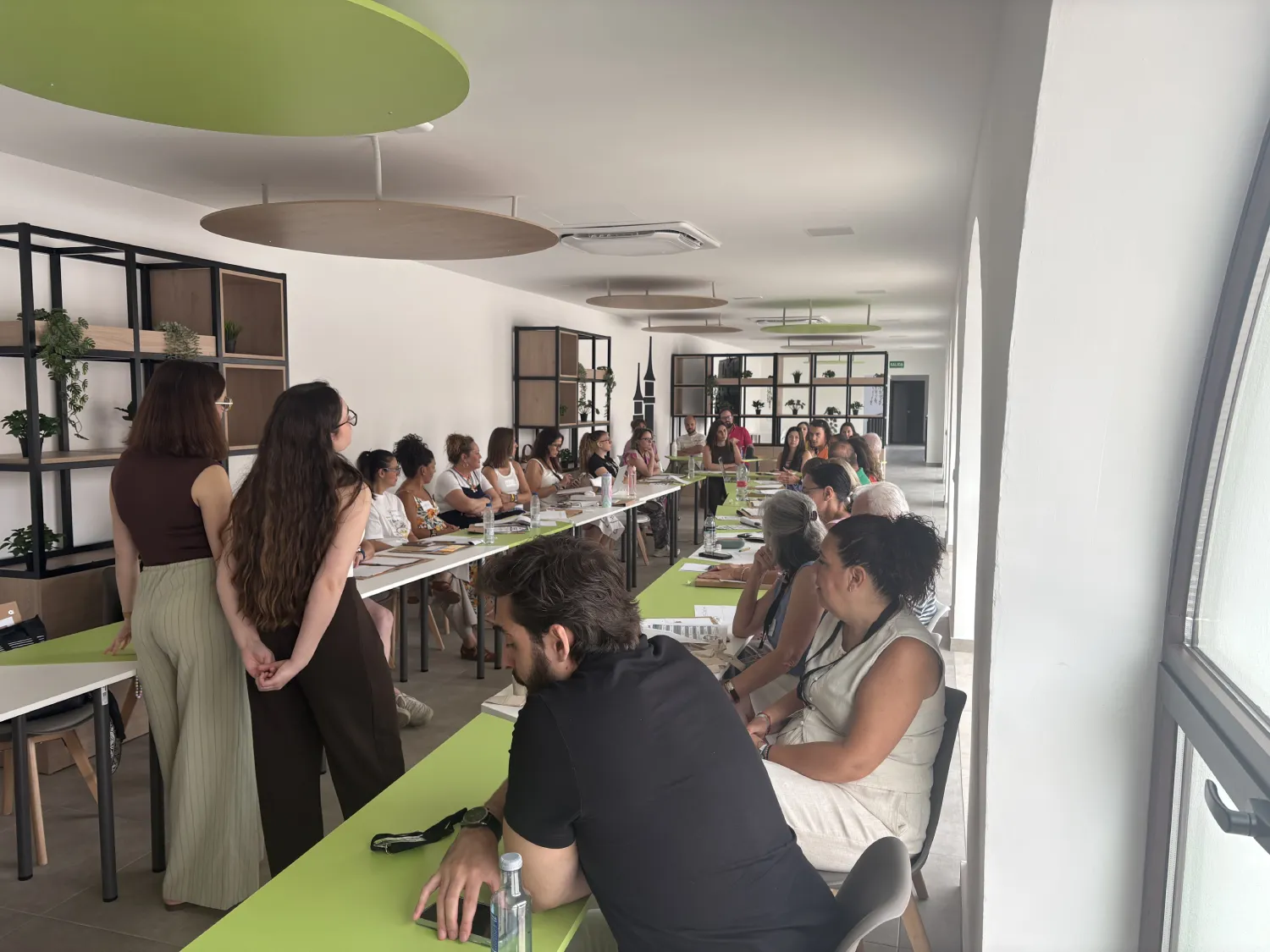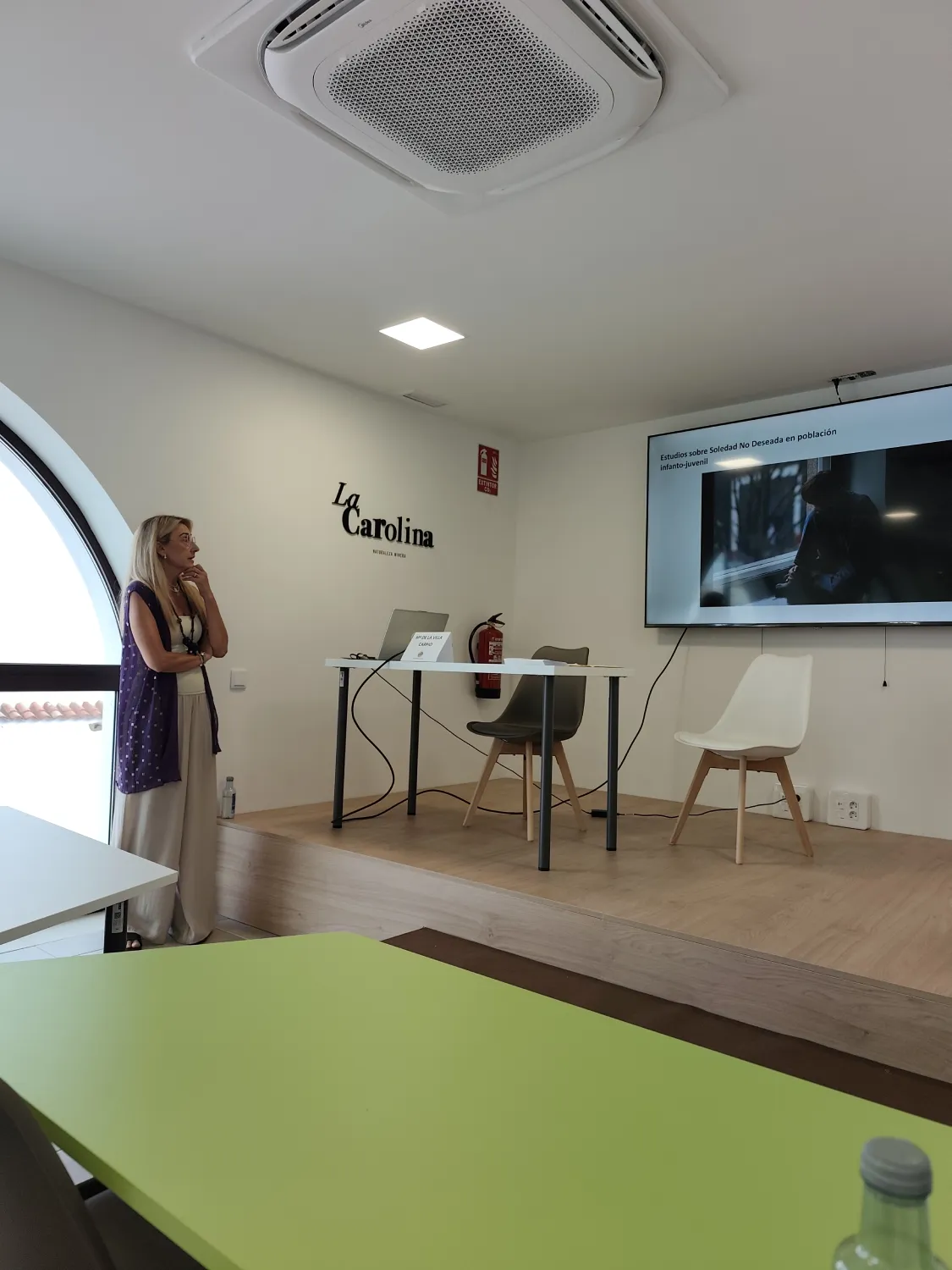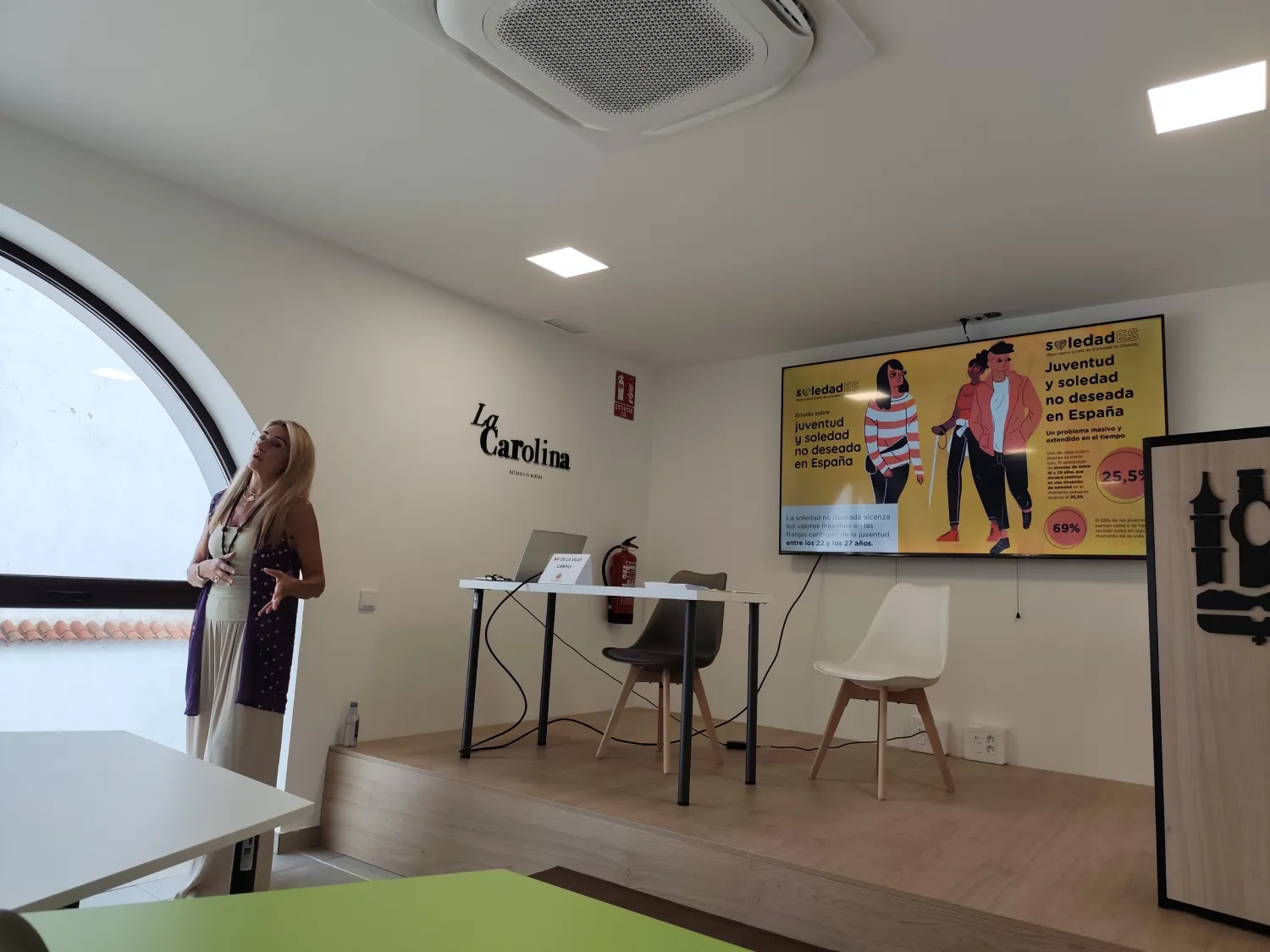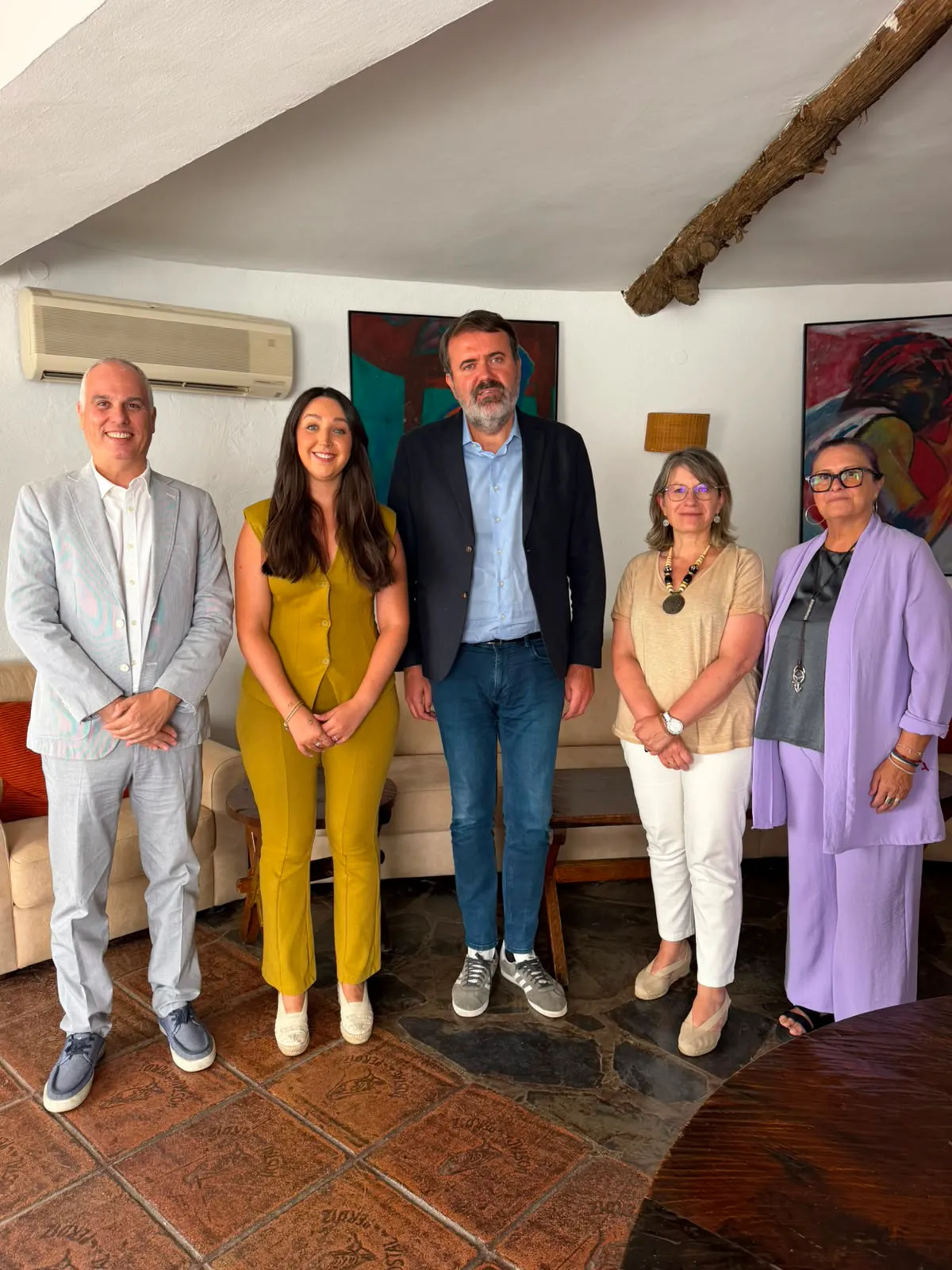
Over the course of three days, this event addressed young people’s mental health, family relationships and the challenges arising from the use of social media and new technologies
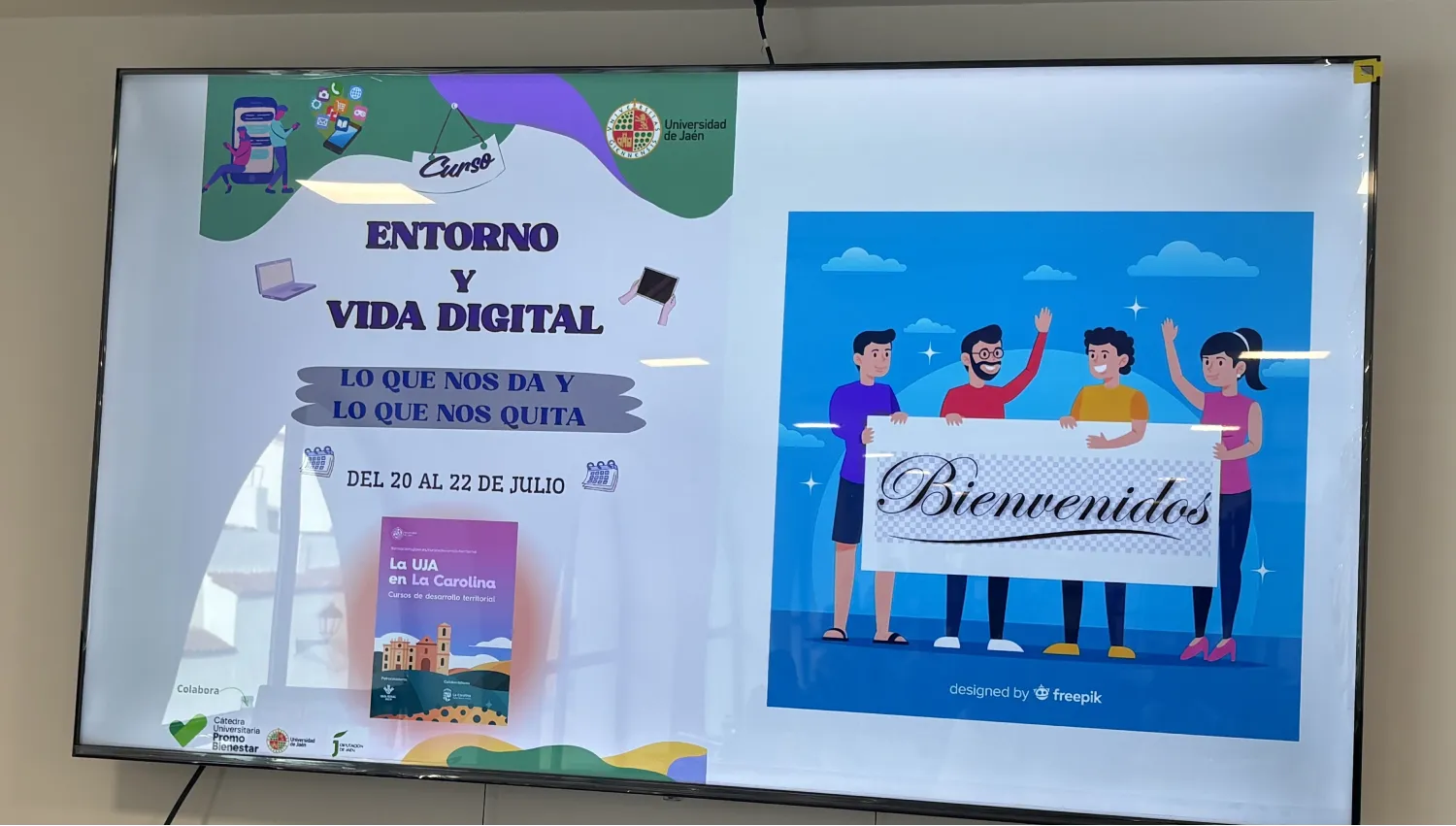
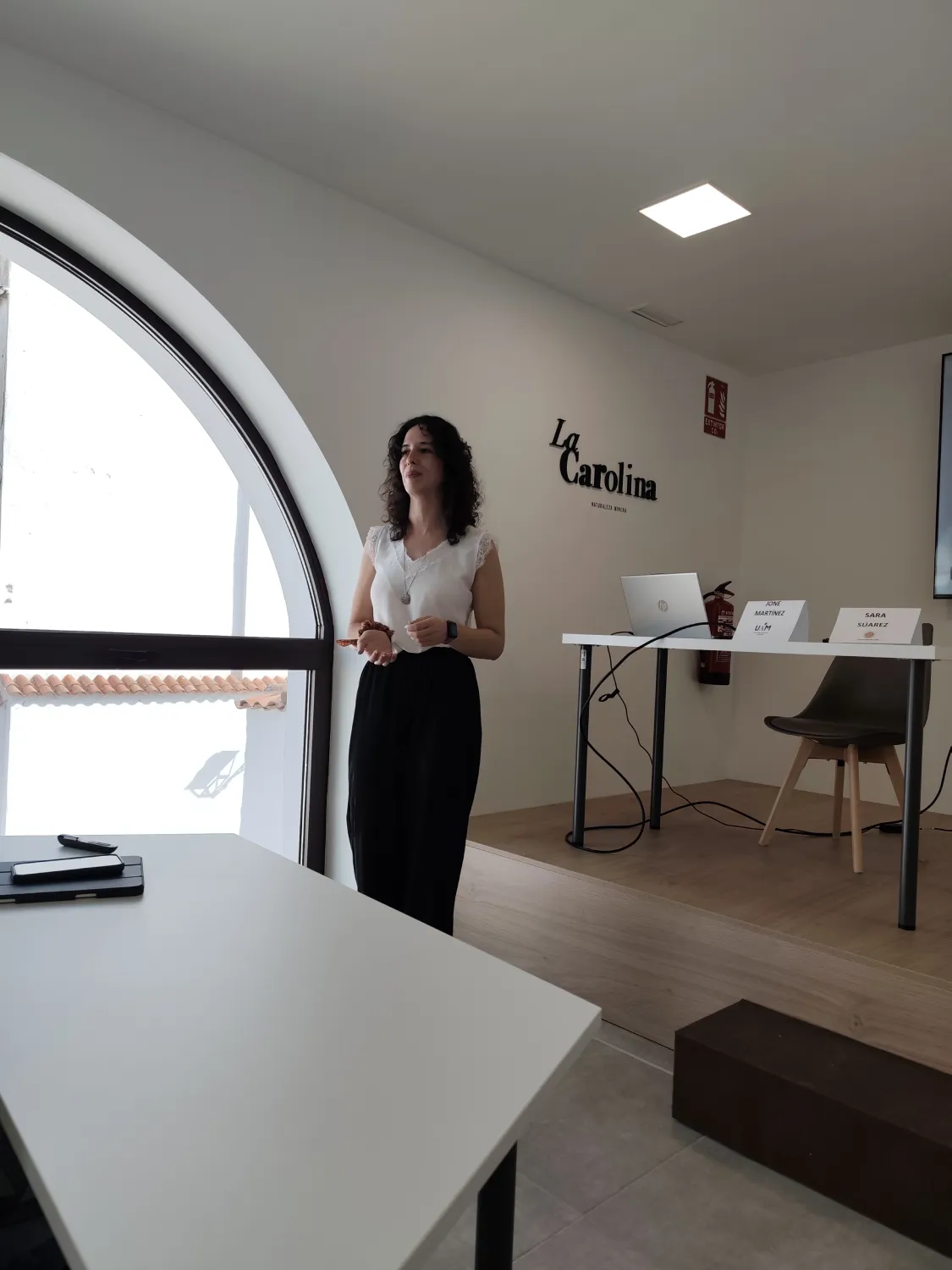
From 20 to 22 July, the University of Jaén held the summer course ‘Digital Environment and Life: What It Gives Us and What It Takes Away’ in La Carolina, an educational programme focusing on the role of digital environments in everyday life and their influence on the emotional wellbeing, personal relationships and mental health of adolescents and young people.
The event formed part of the 26th edition of the University of Jaén’s Territorial Development Courses (Summer Courses) in La Carolina, organised by the university in collaboration with La Carolina Town Council and with the support of Caja Rural de Jaén and the PROMOBIENESTAR Chair.
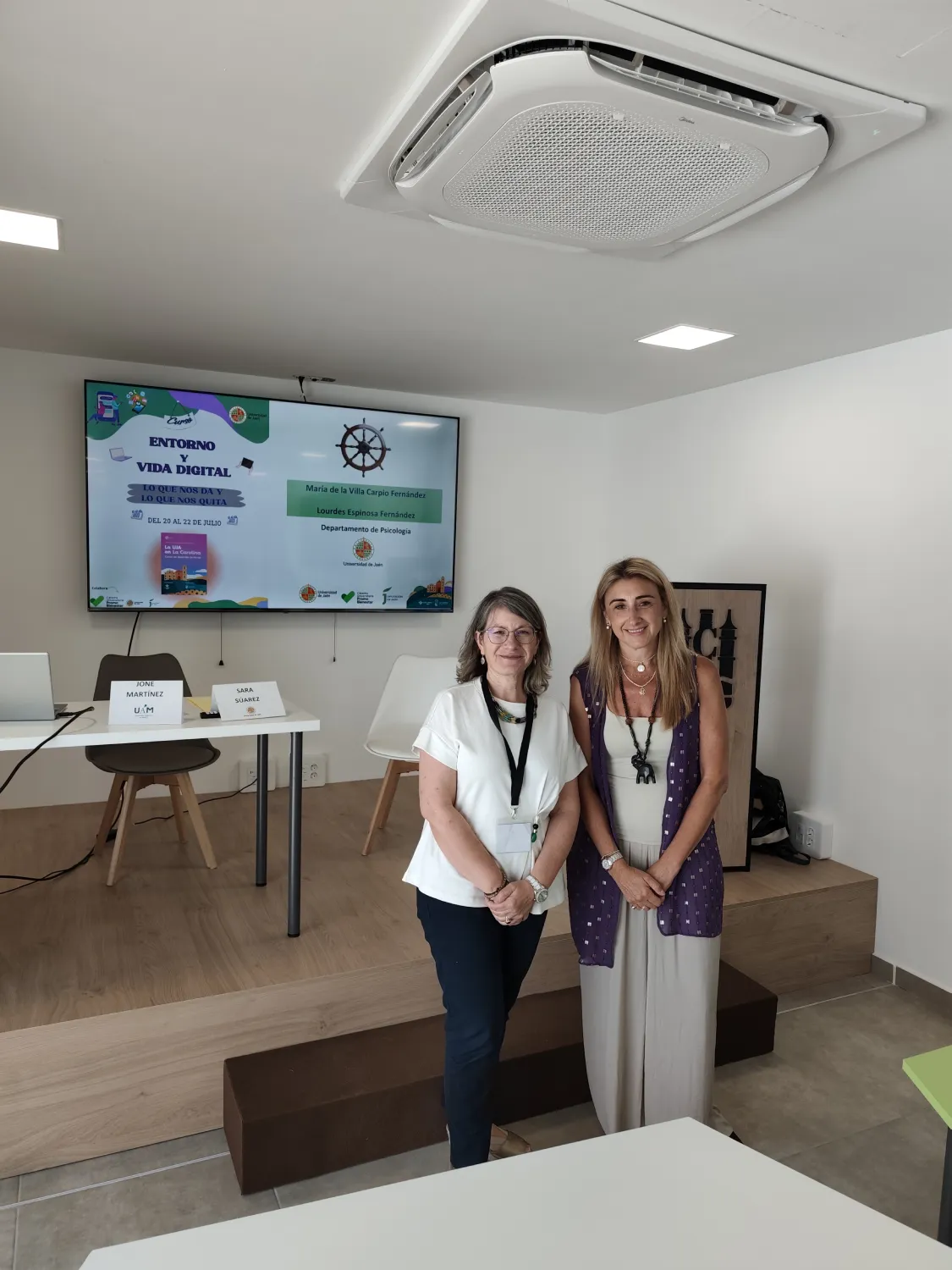
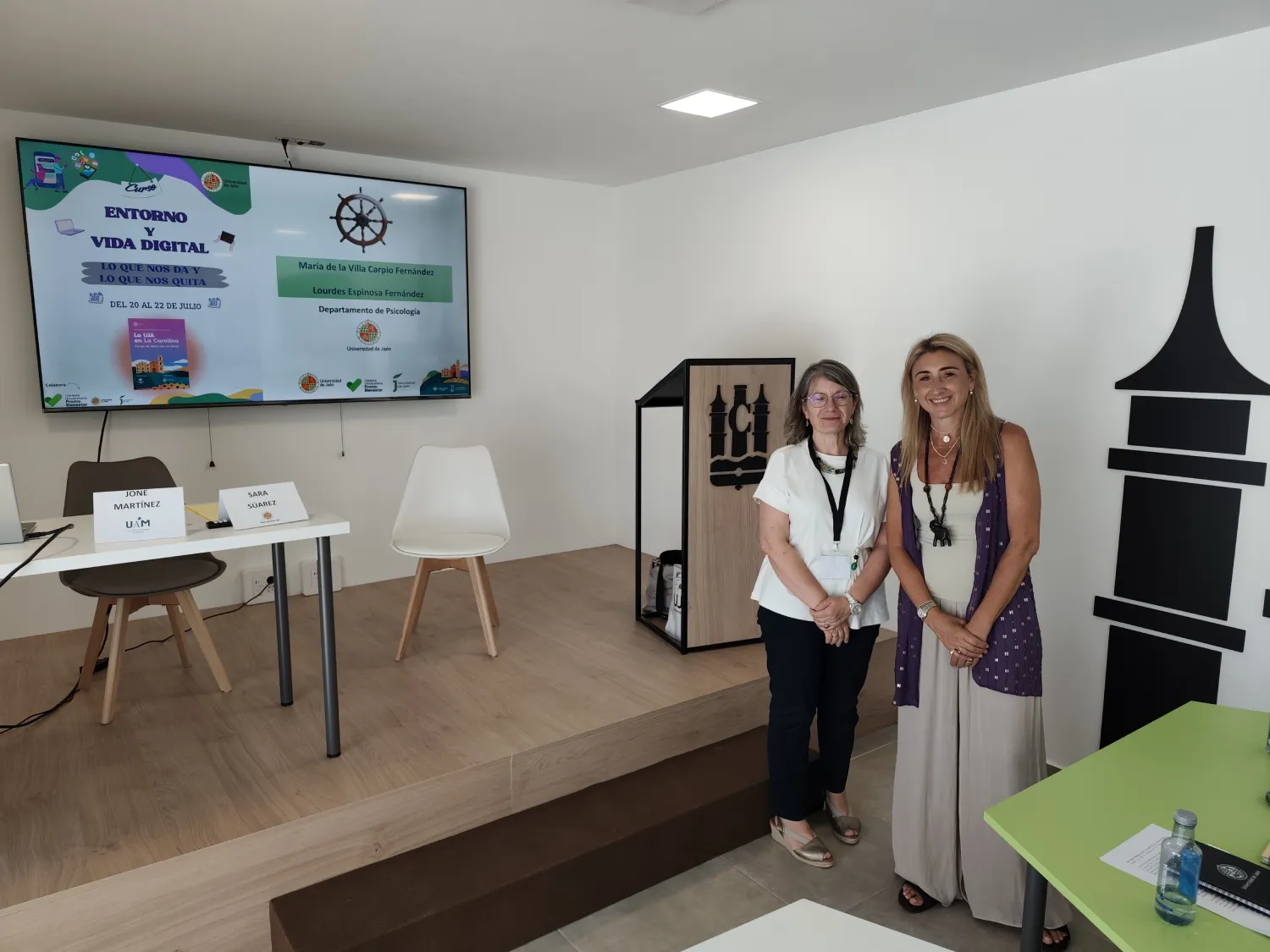
The course was coordinated by María Villa Carpio Fernández and co-directed by Lourdes Espinosa Fernández, both senior lecturers at the University of Jaén. Over the course of three days, it brought together specialists from various universities, public administrations and social organisations, creating a space for training, reflection and dialogue on the benefits and risks associated with the use of social media, screens and other technologies.
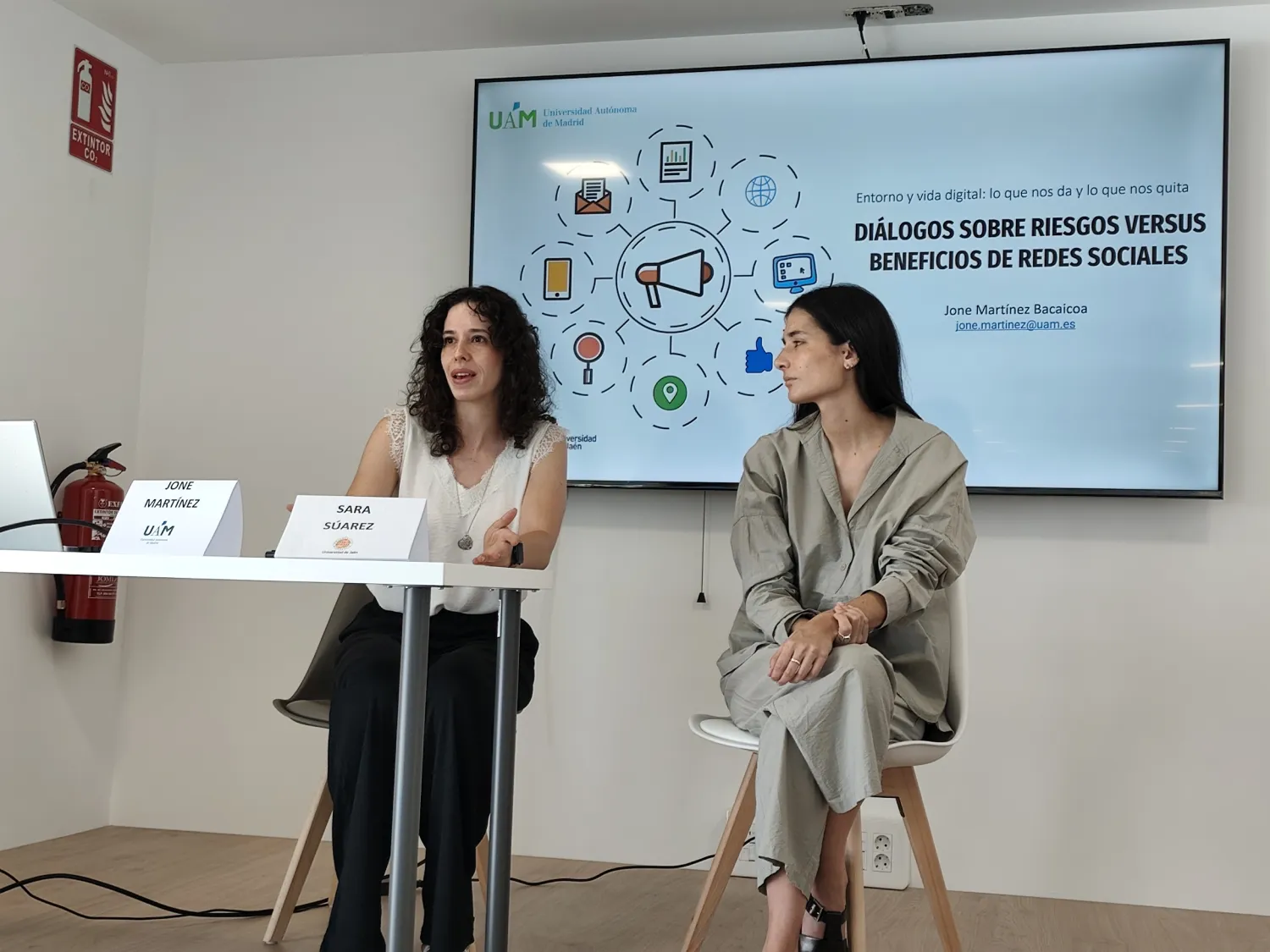
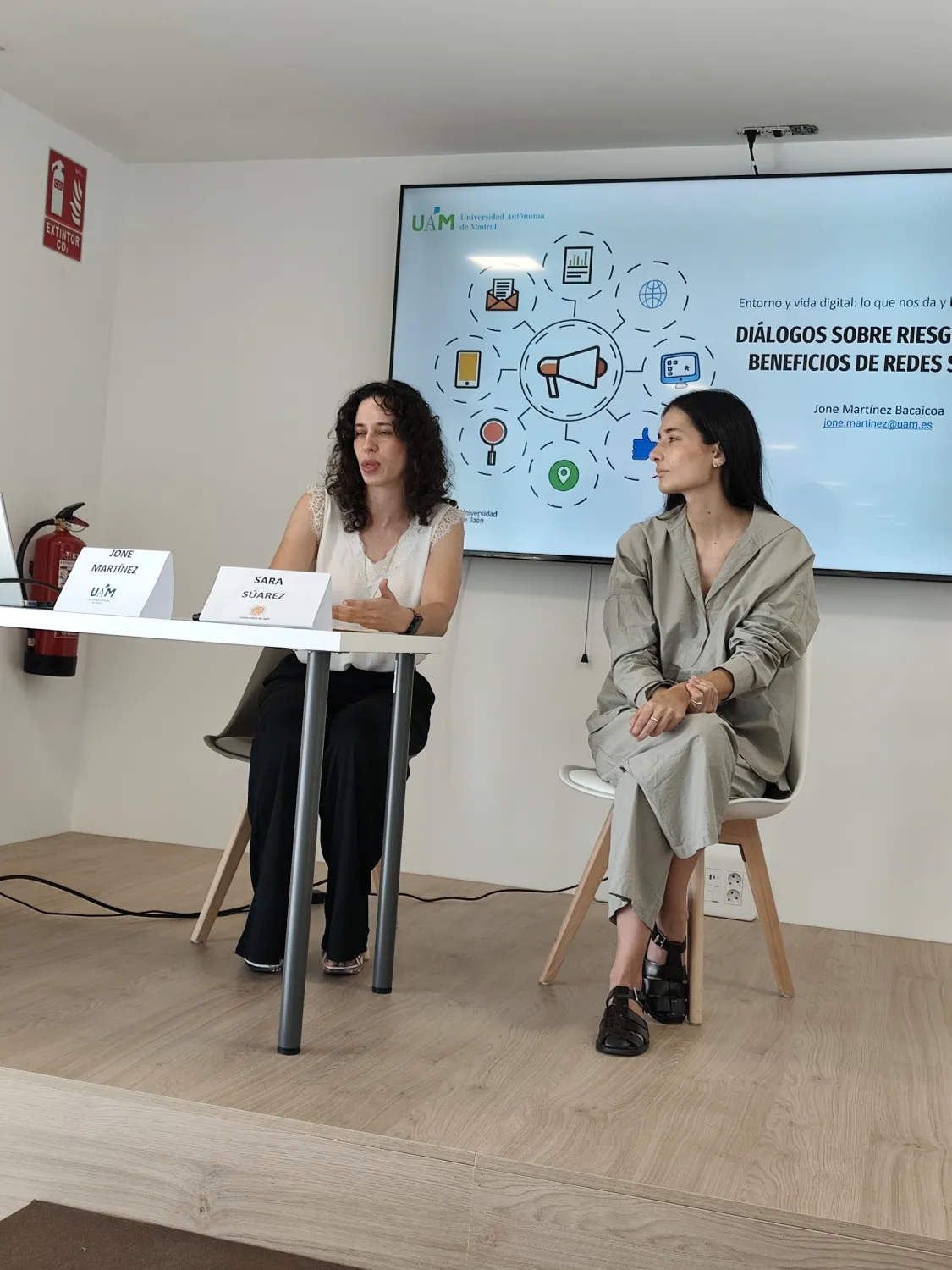
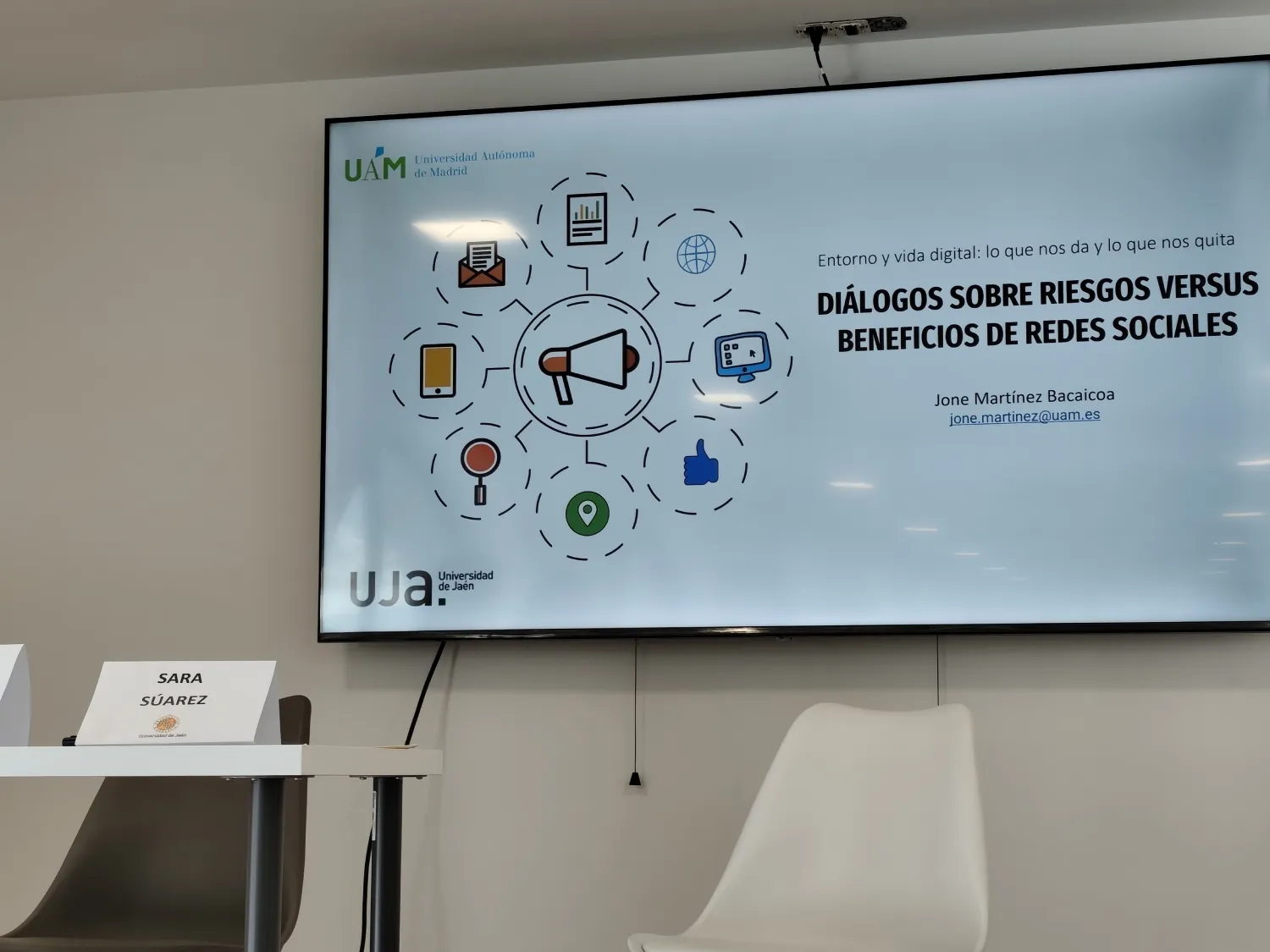
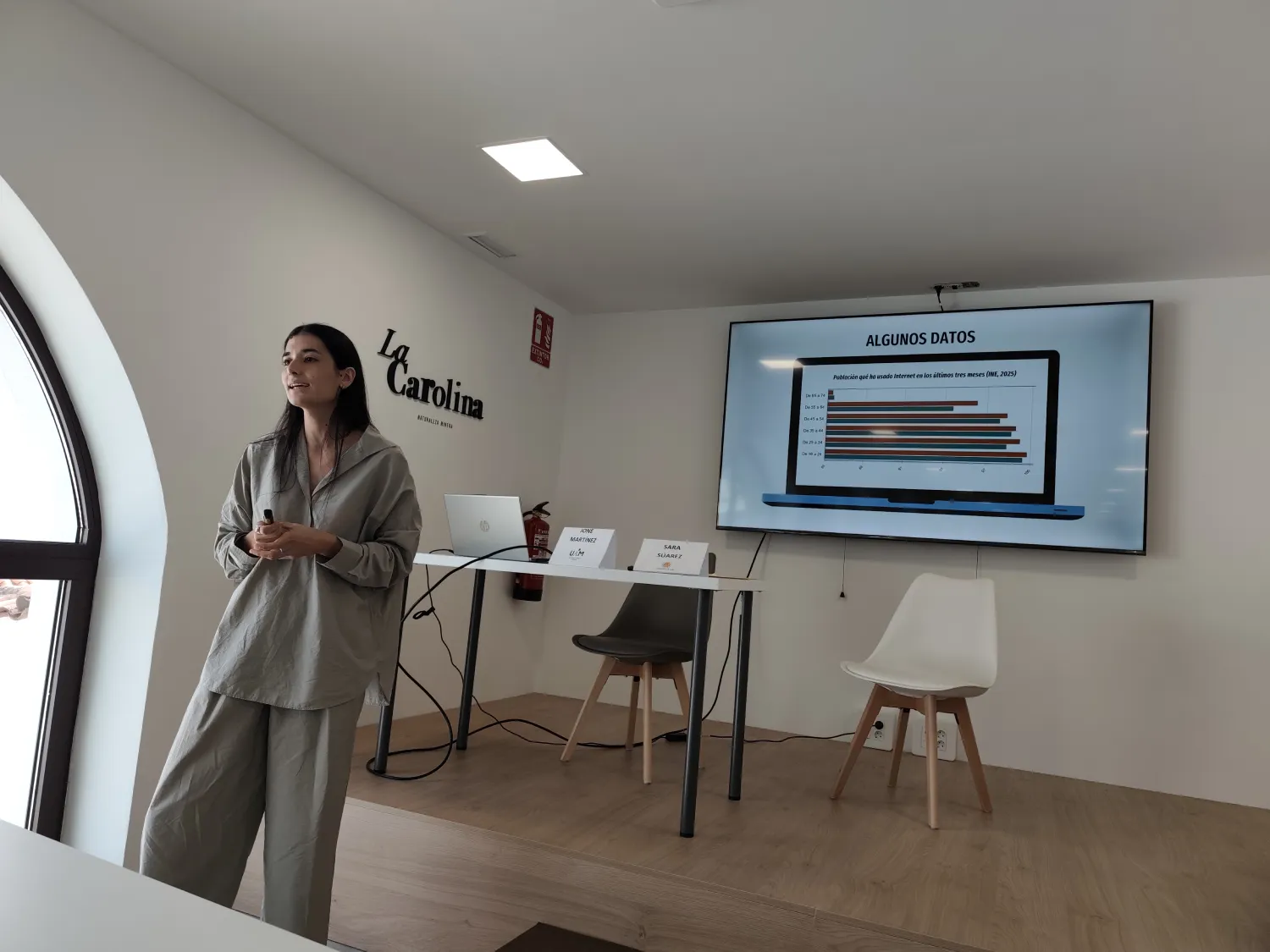
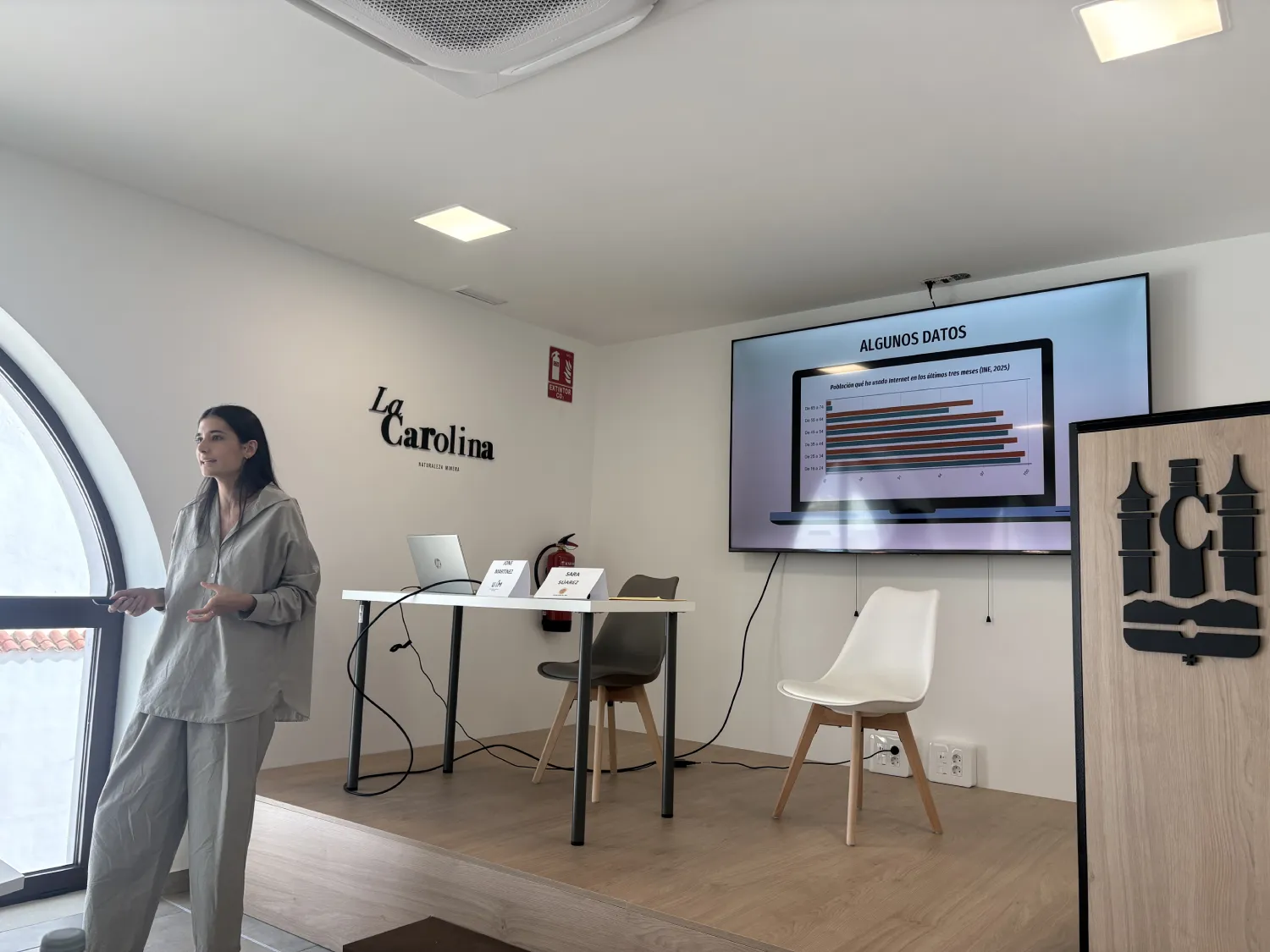
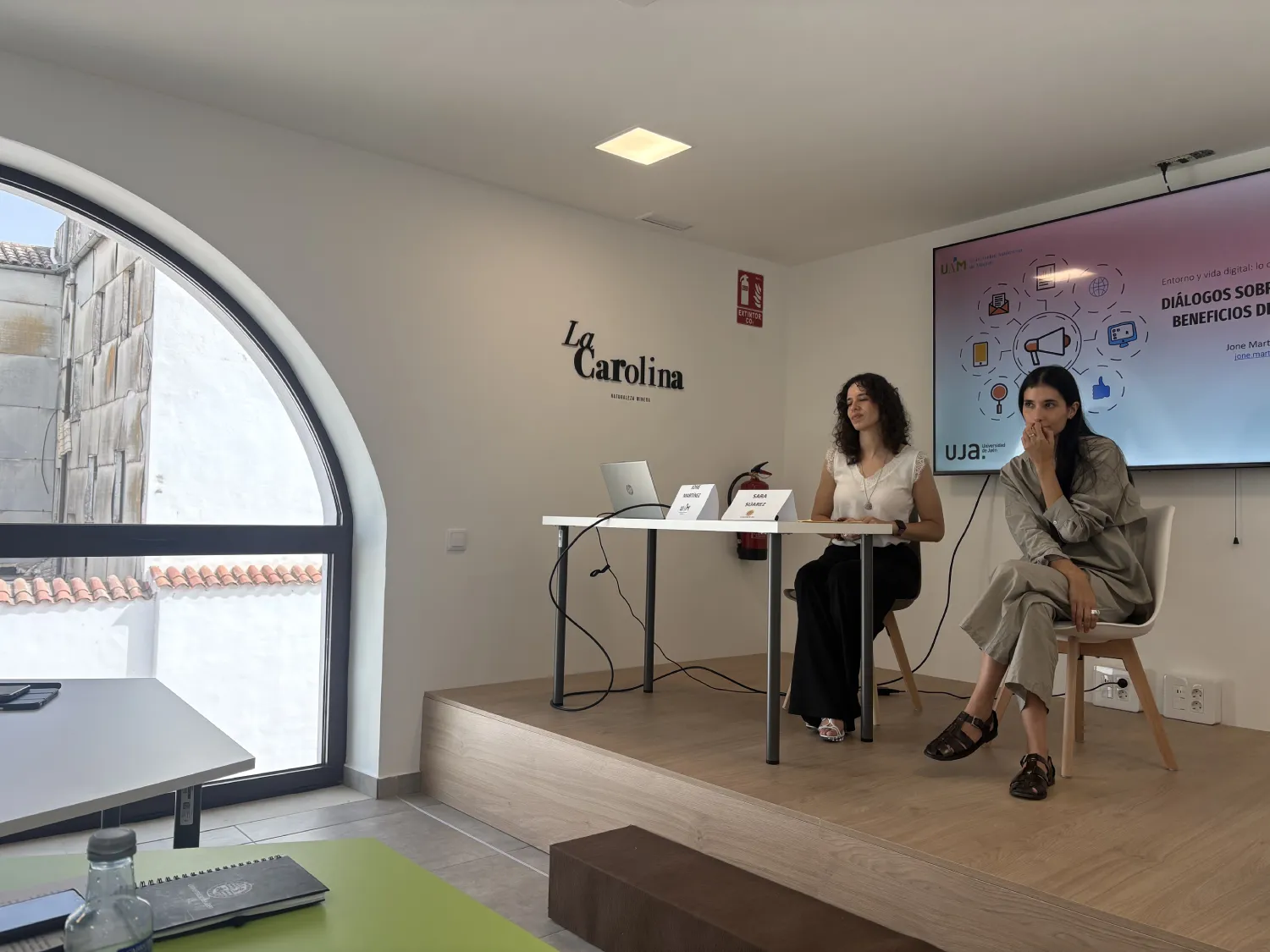
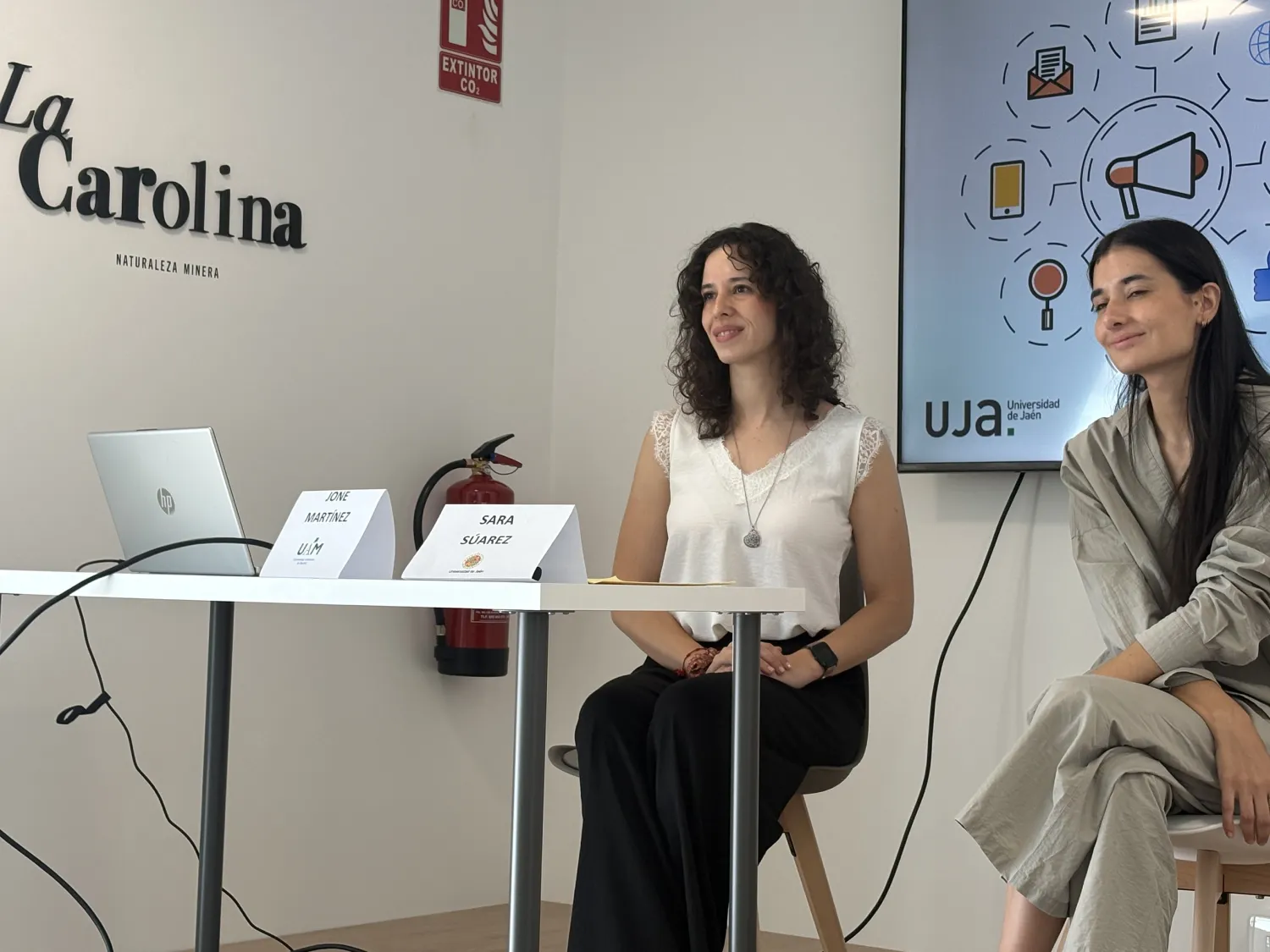
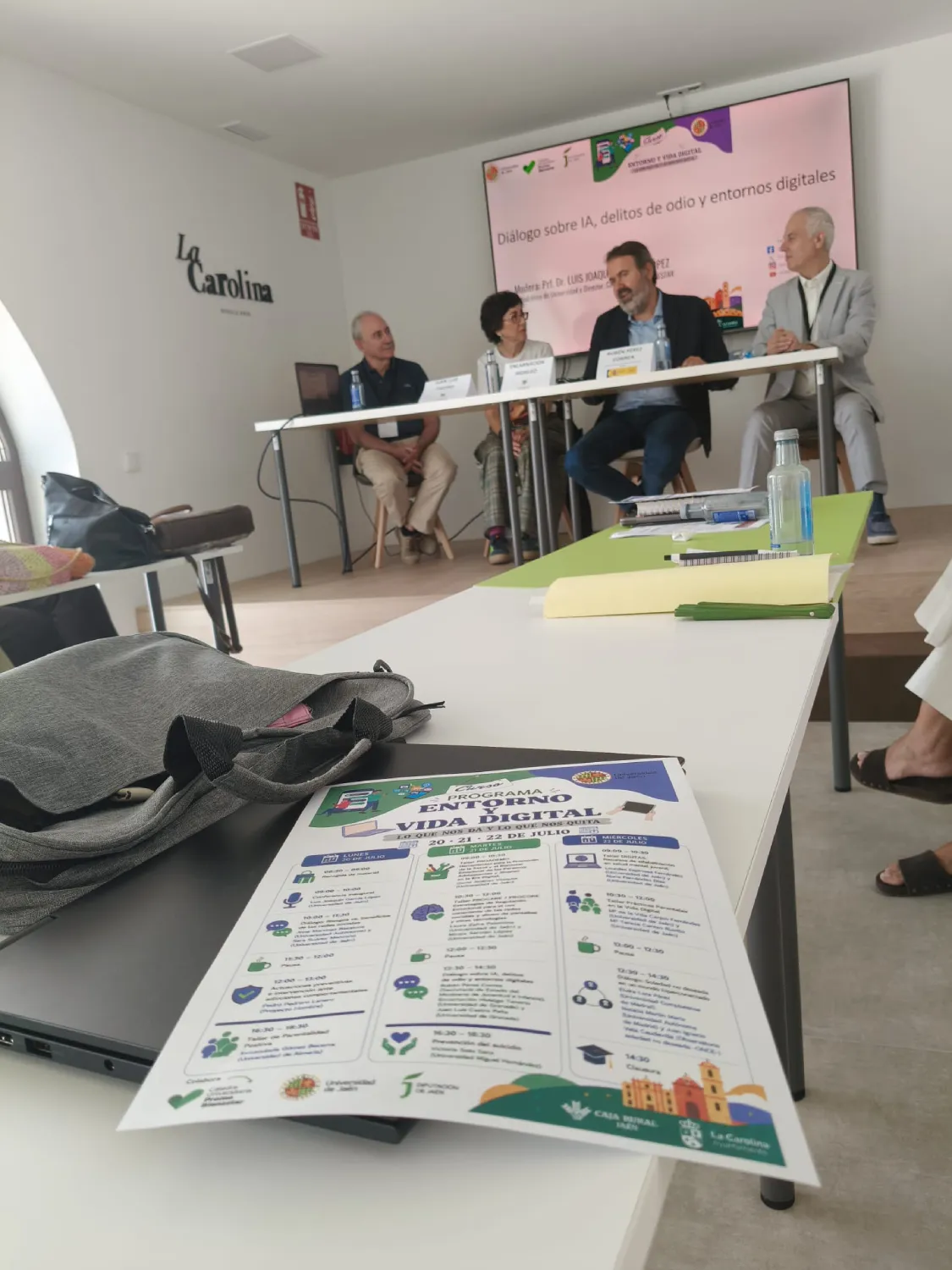
The first day began with an opening lecture delivered by María Villa Carpio Fernández and Lourdes Espinosa Fernández, the course’s academic coordinators. This was followed by a discussion between Jone Martínez Bacaicoa, from the Autonomous University of Madrid, and Sara Suárez Manzano, from the University of Jaén, on the risks and benefits of social media.
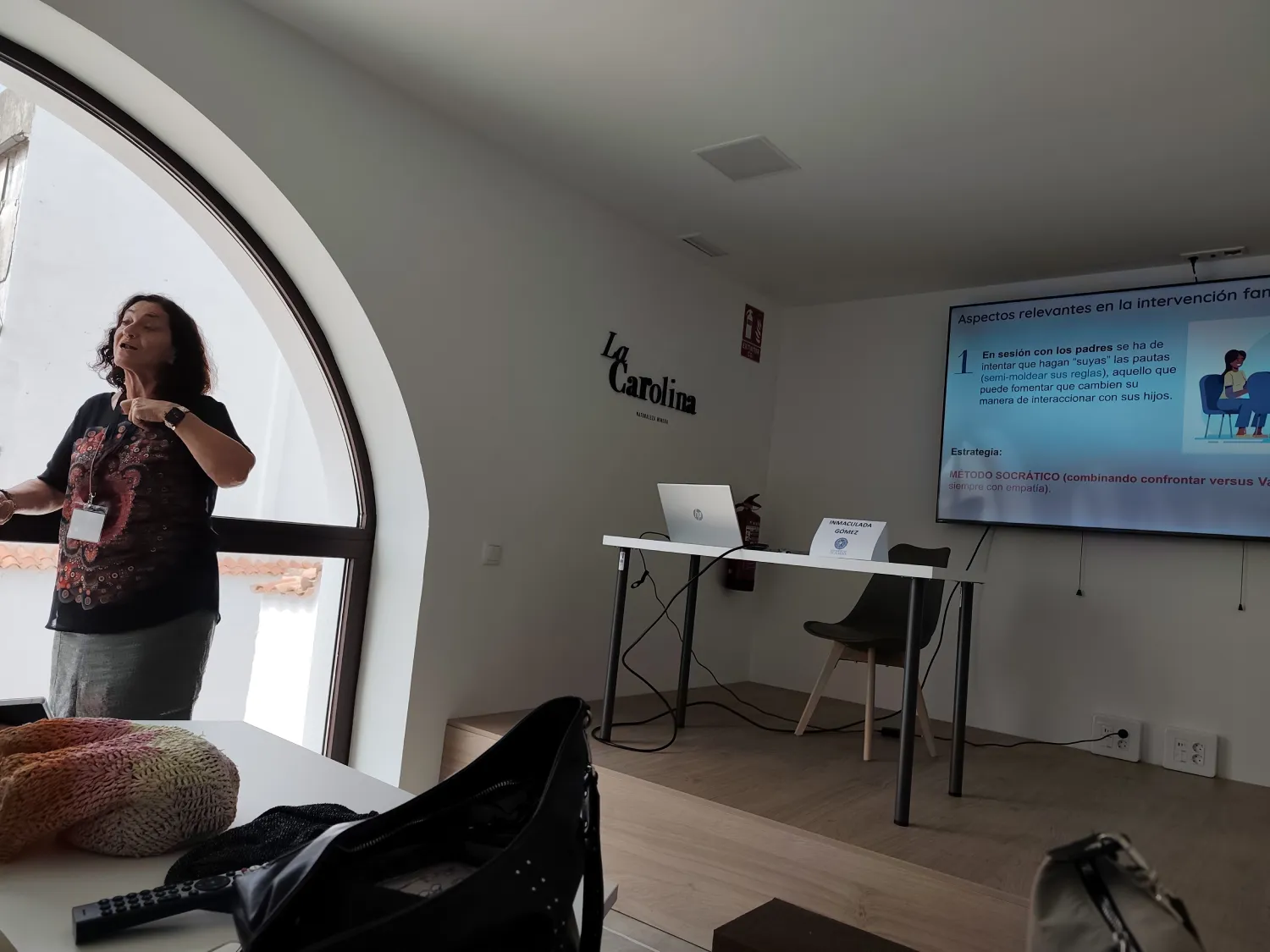
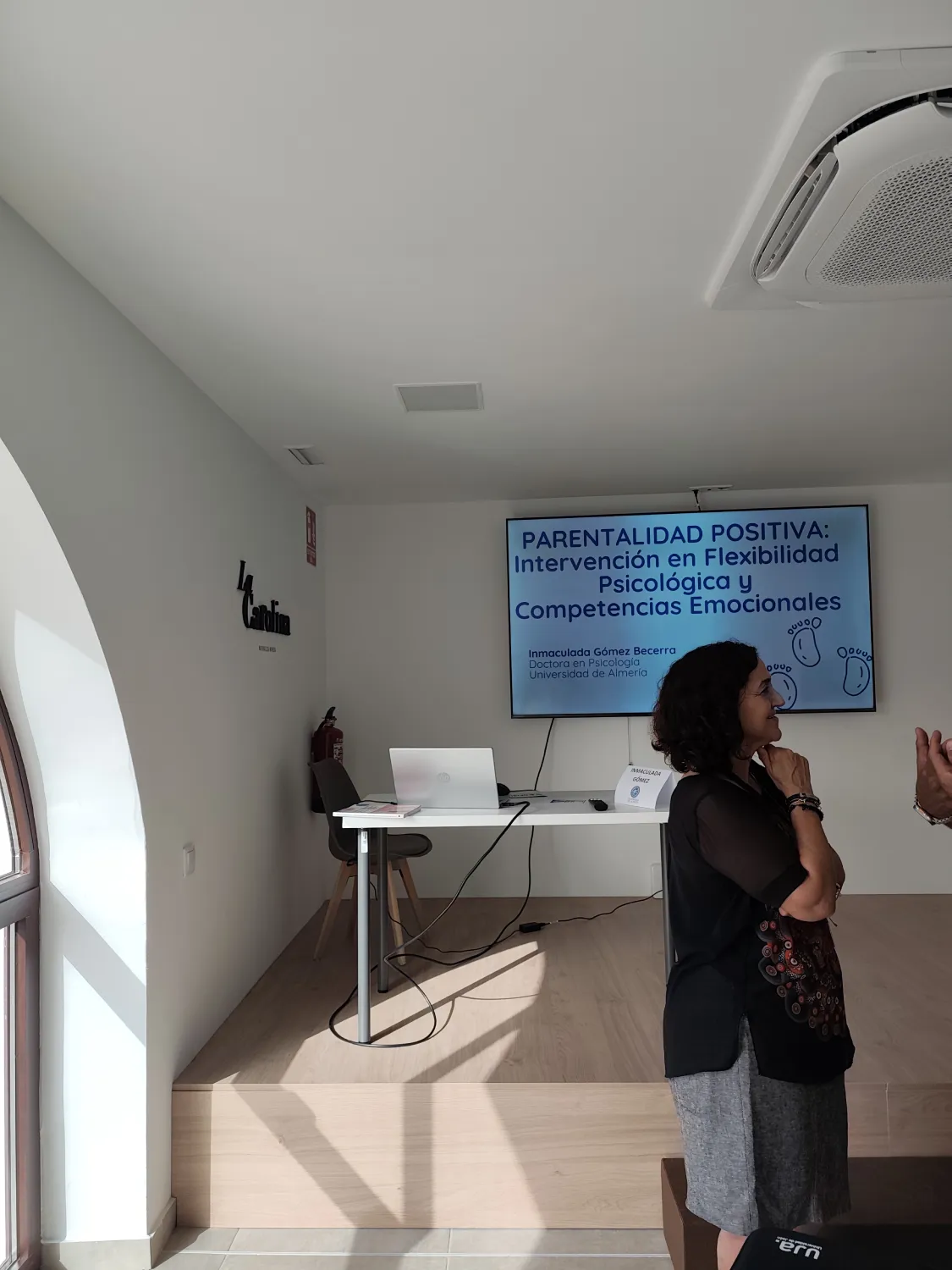
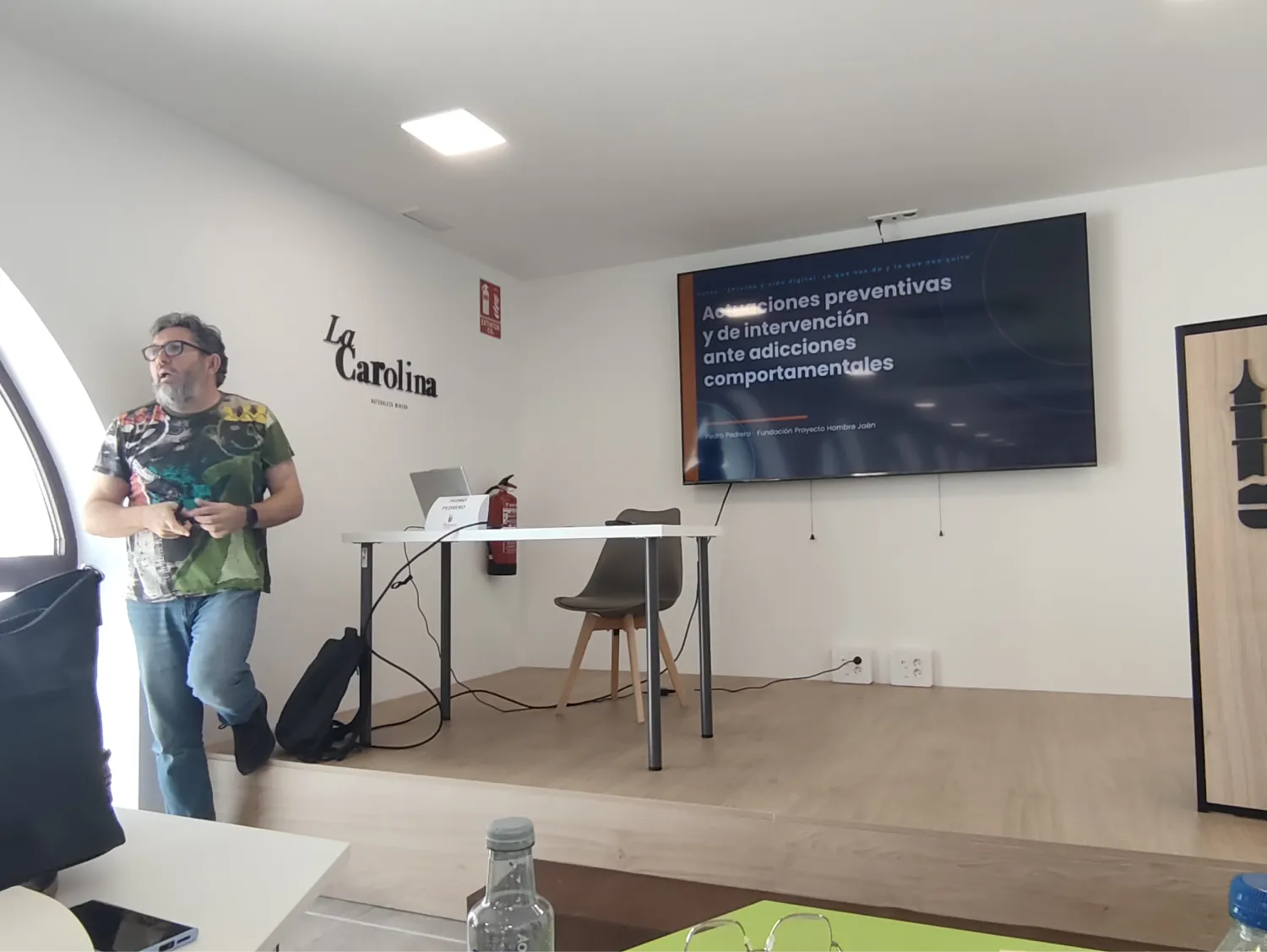
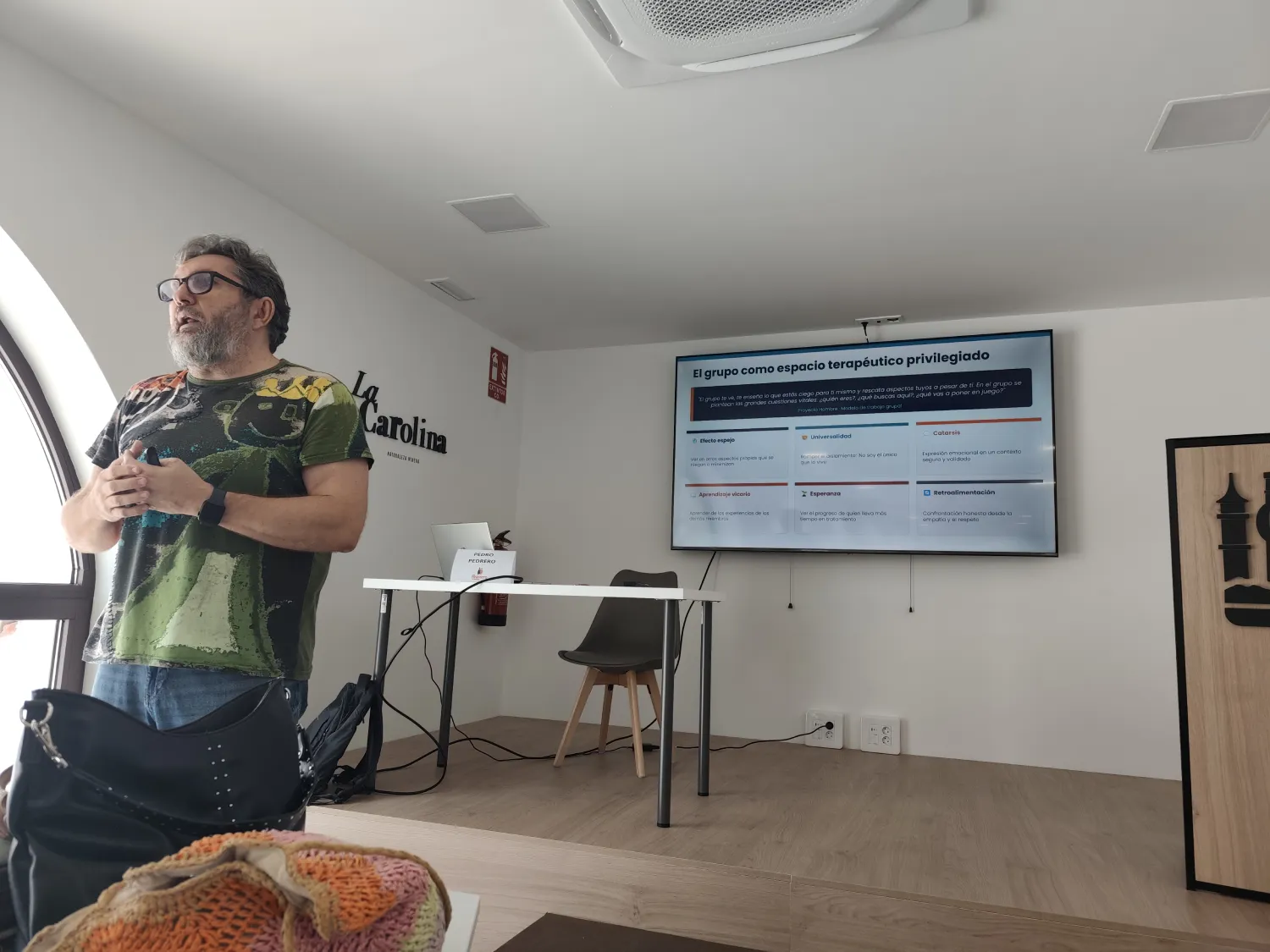
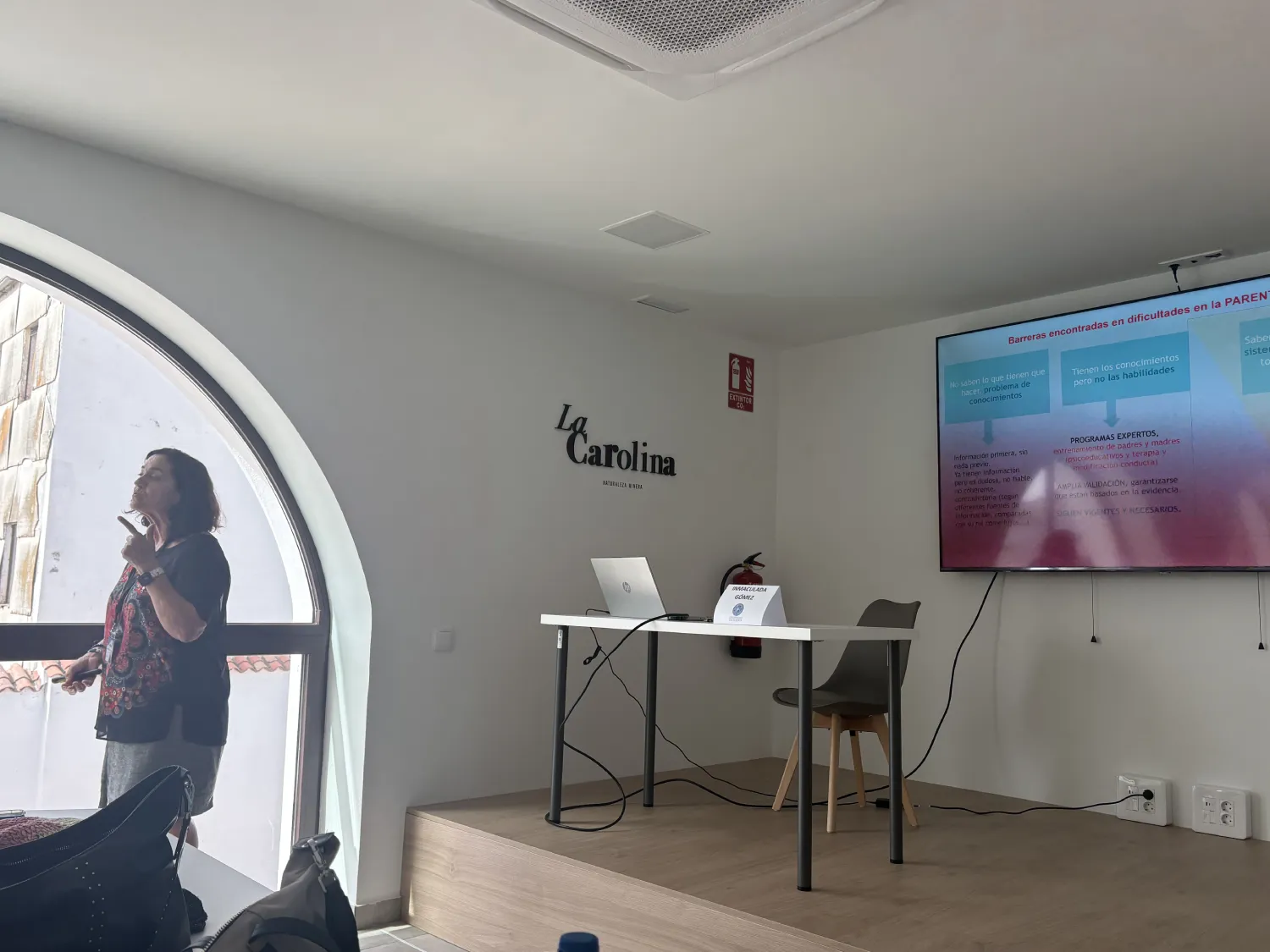
The programme continued with a session dedicated to preventive measures and intervention in cases of addiction, led by Pedro Pedrero Lanero, Therapeutic Director of the Proyecto Hombre Jaén Foundation. In the afternoon, Inmaculada Gómez Becerra, a professor at the University of Almería, led a workshop on positive parenting.
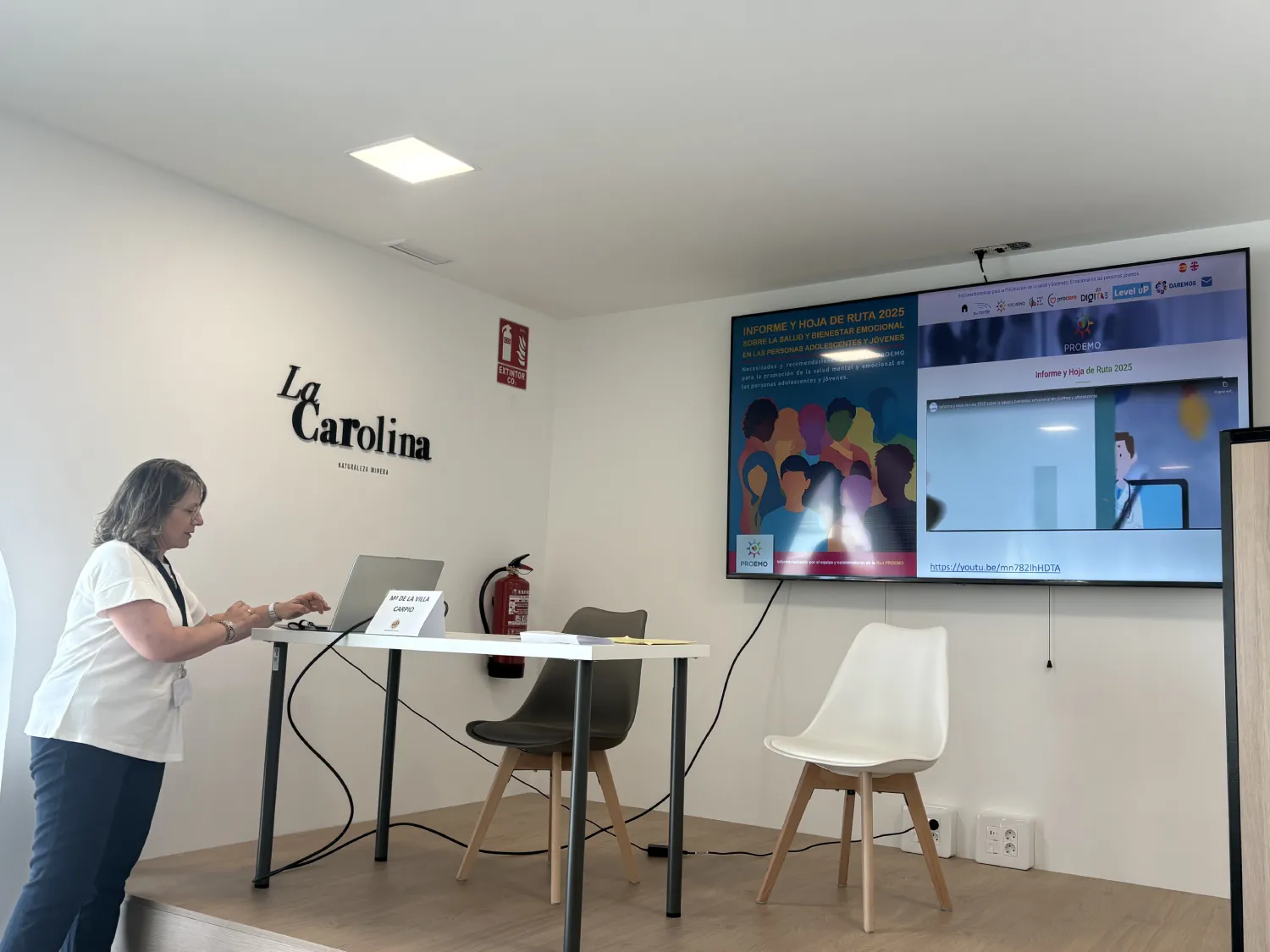
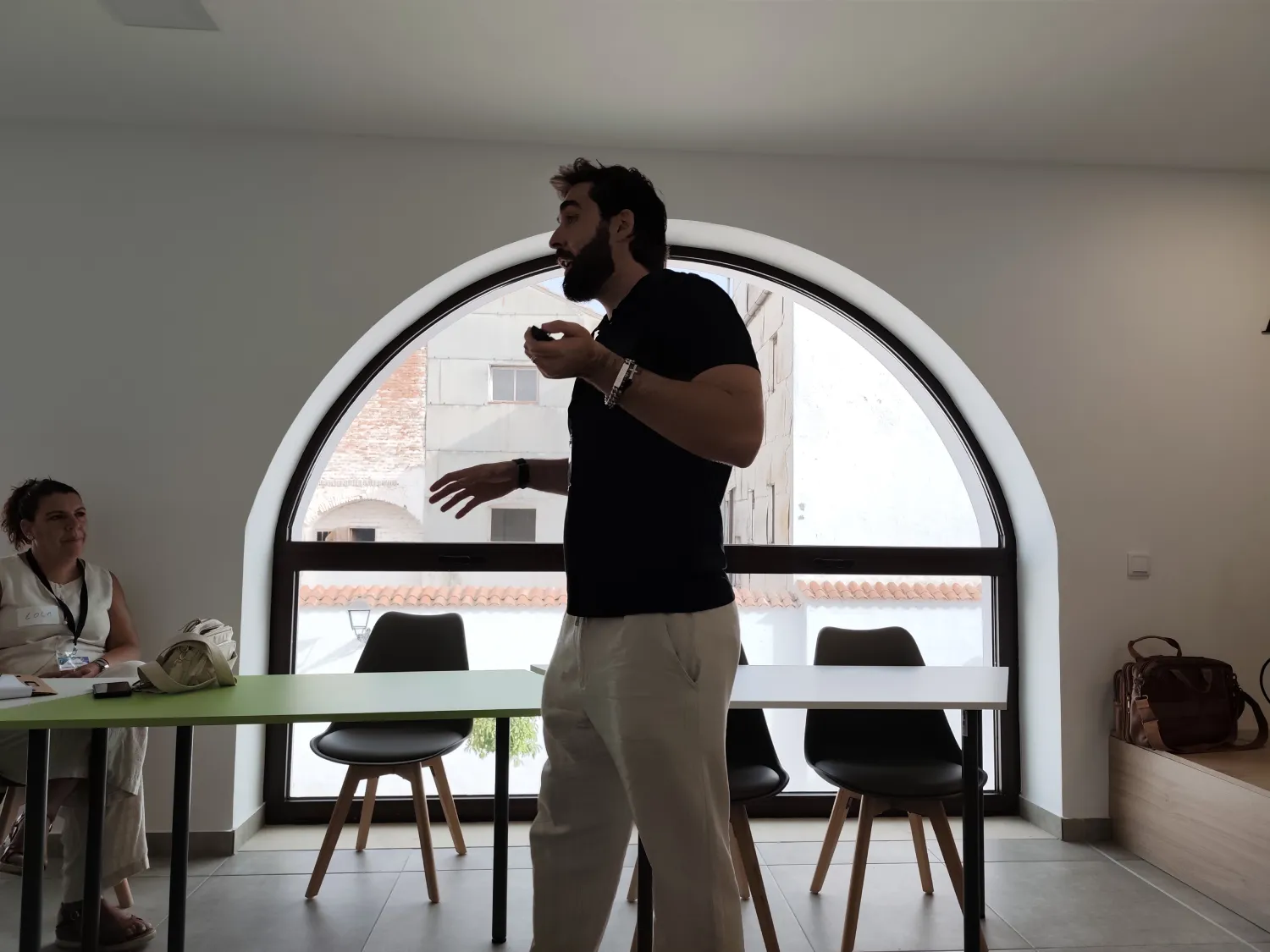
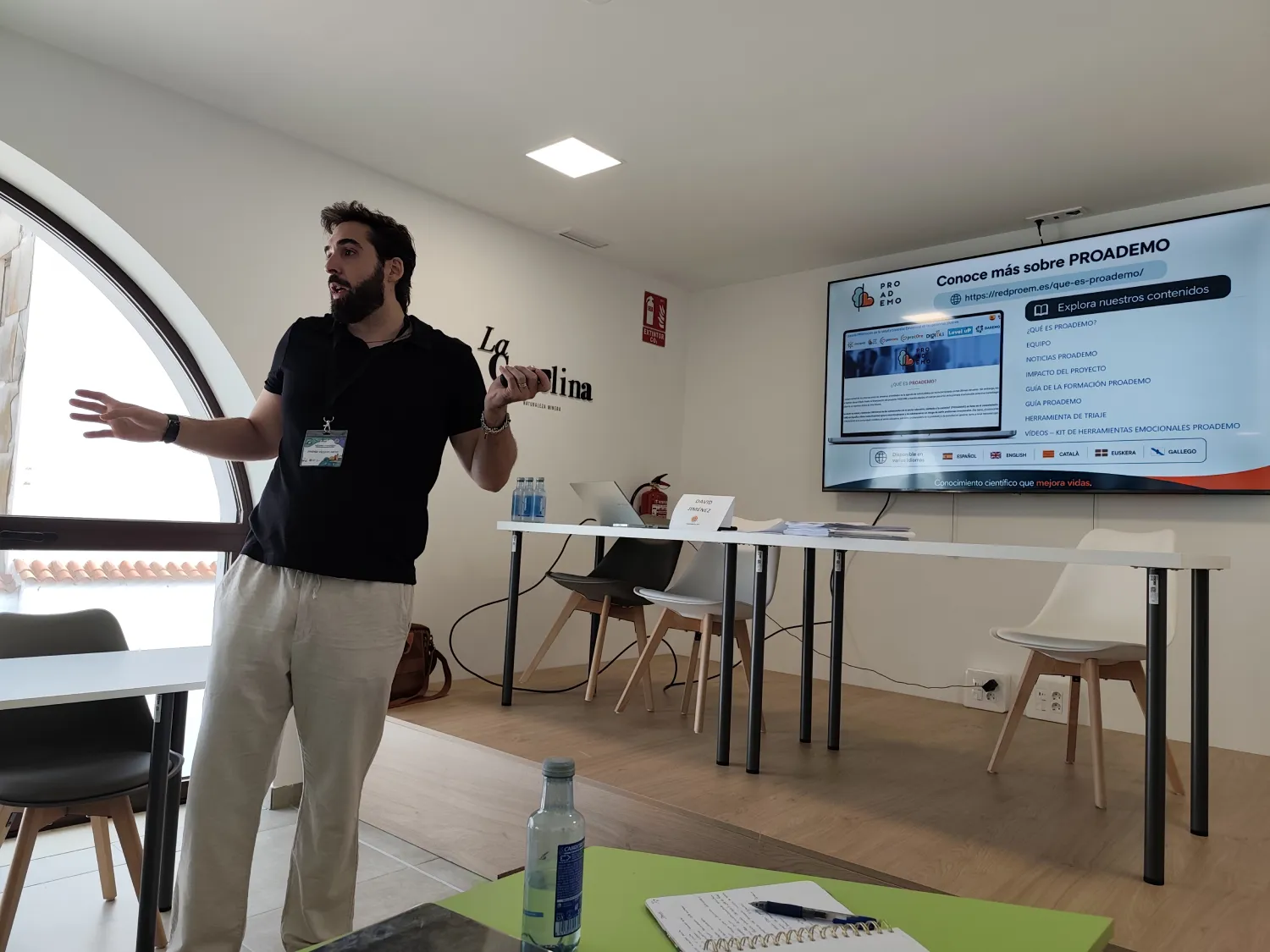
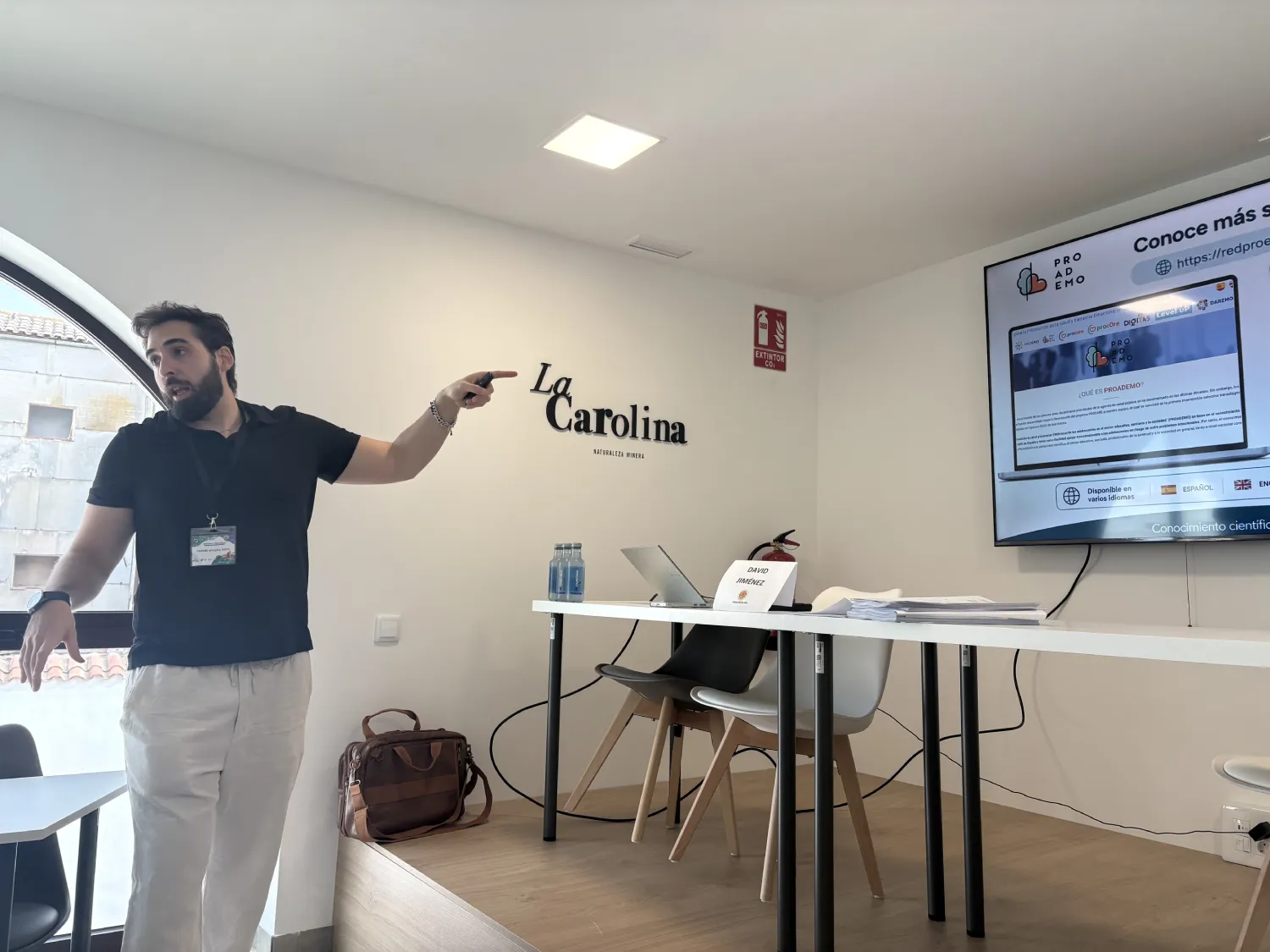
LThe second day began with the PROADEMO workshop, led by David Jiménez Vázquez from the University of Jaén, which presented tools designed to promote the health and emotional wellbeing of adolescents and young people in the digital age.
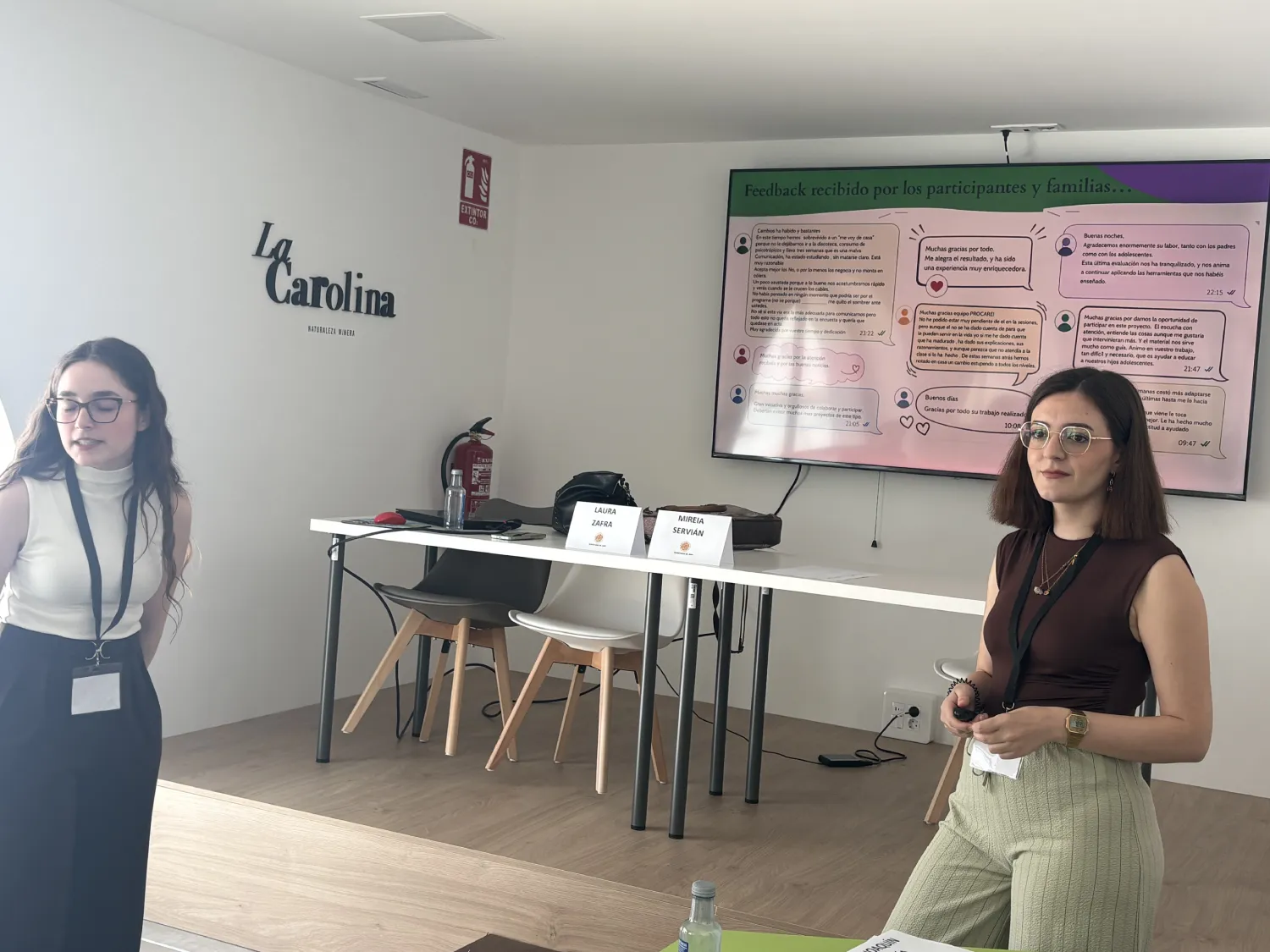
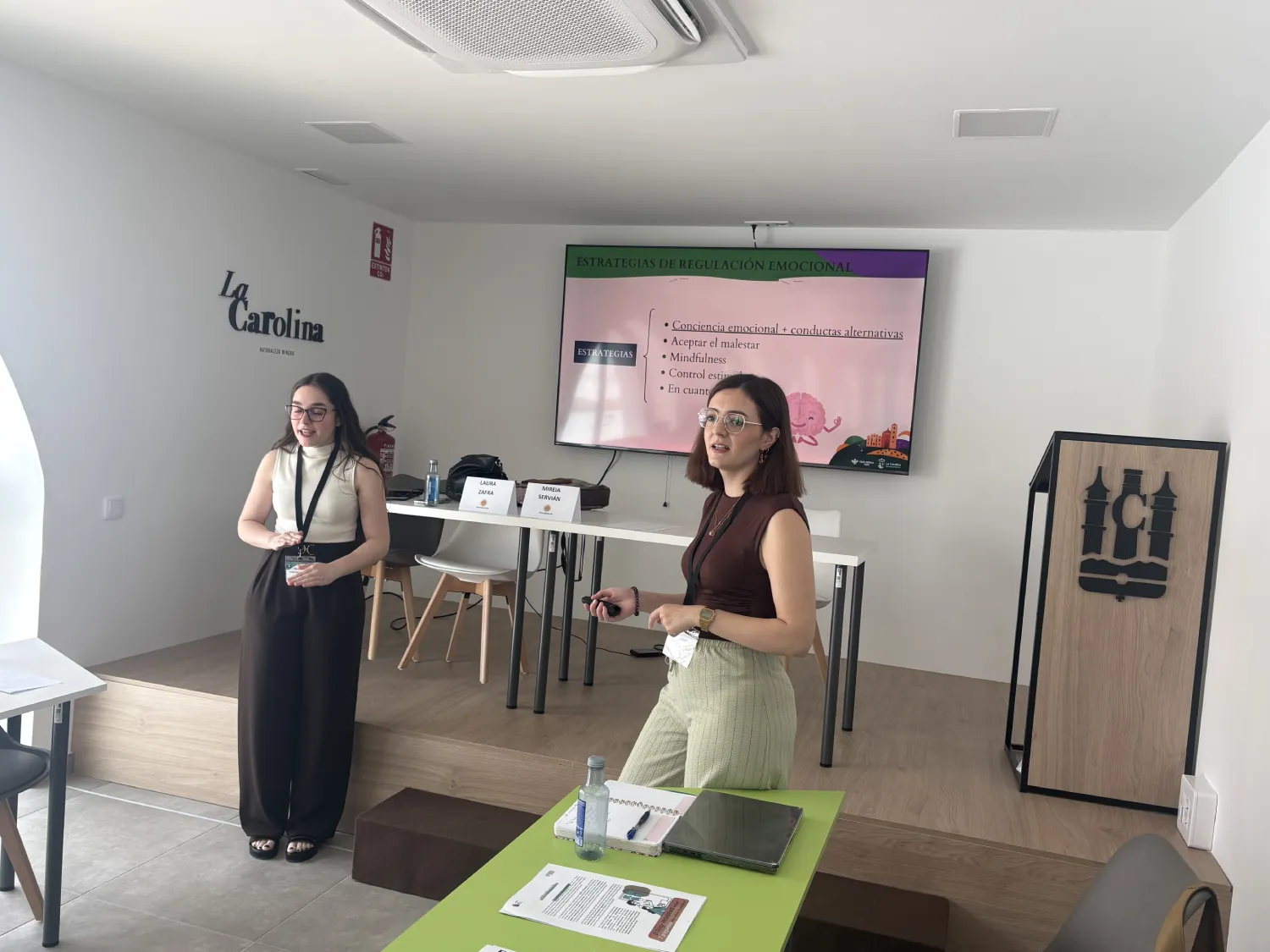
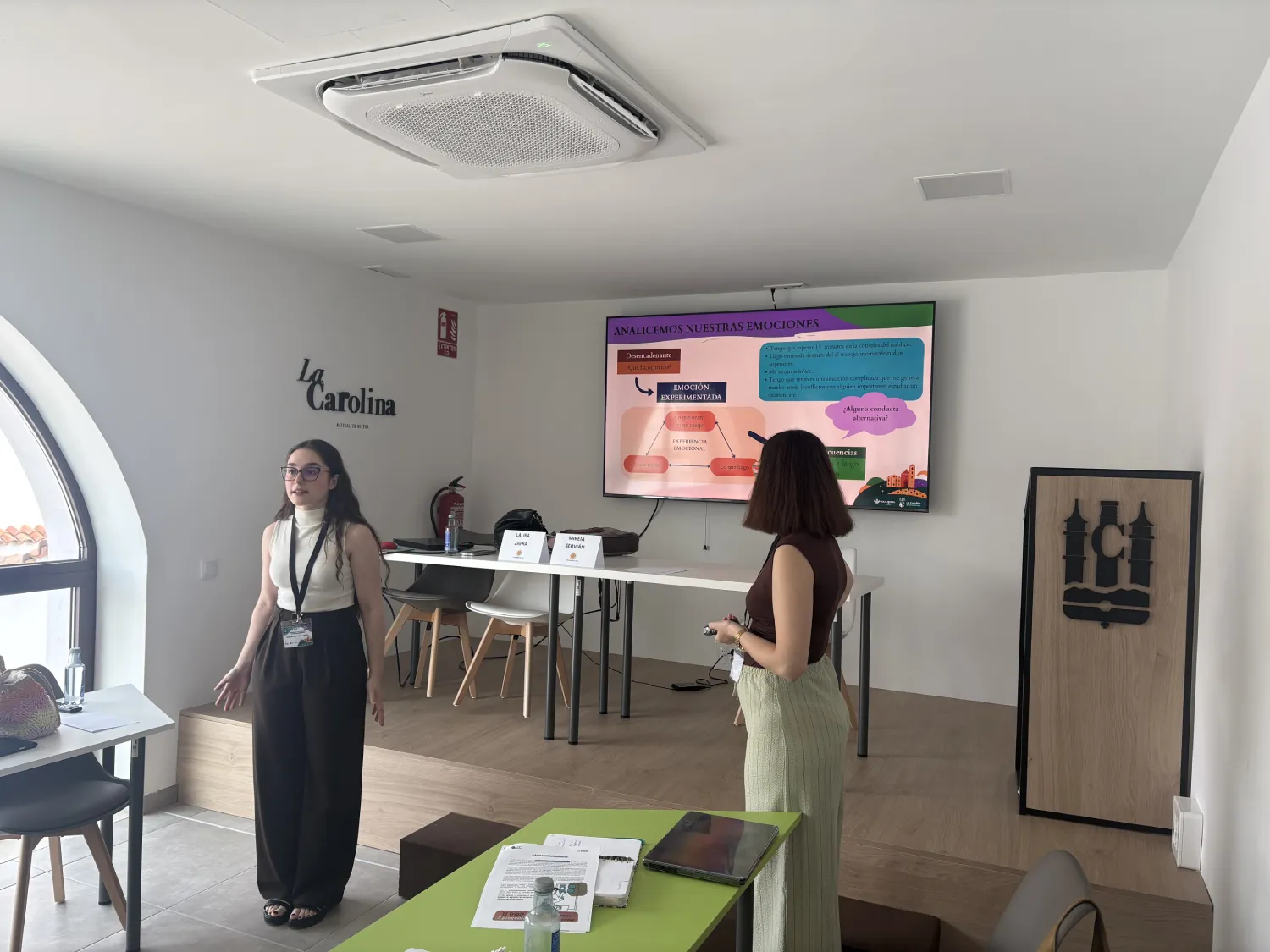
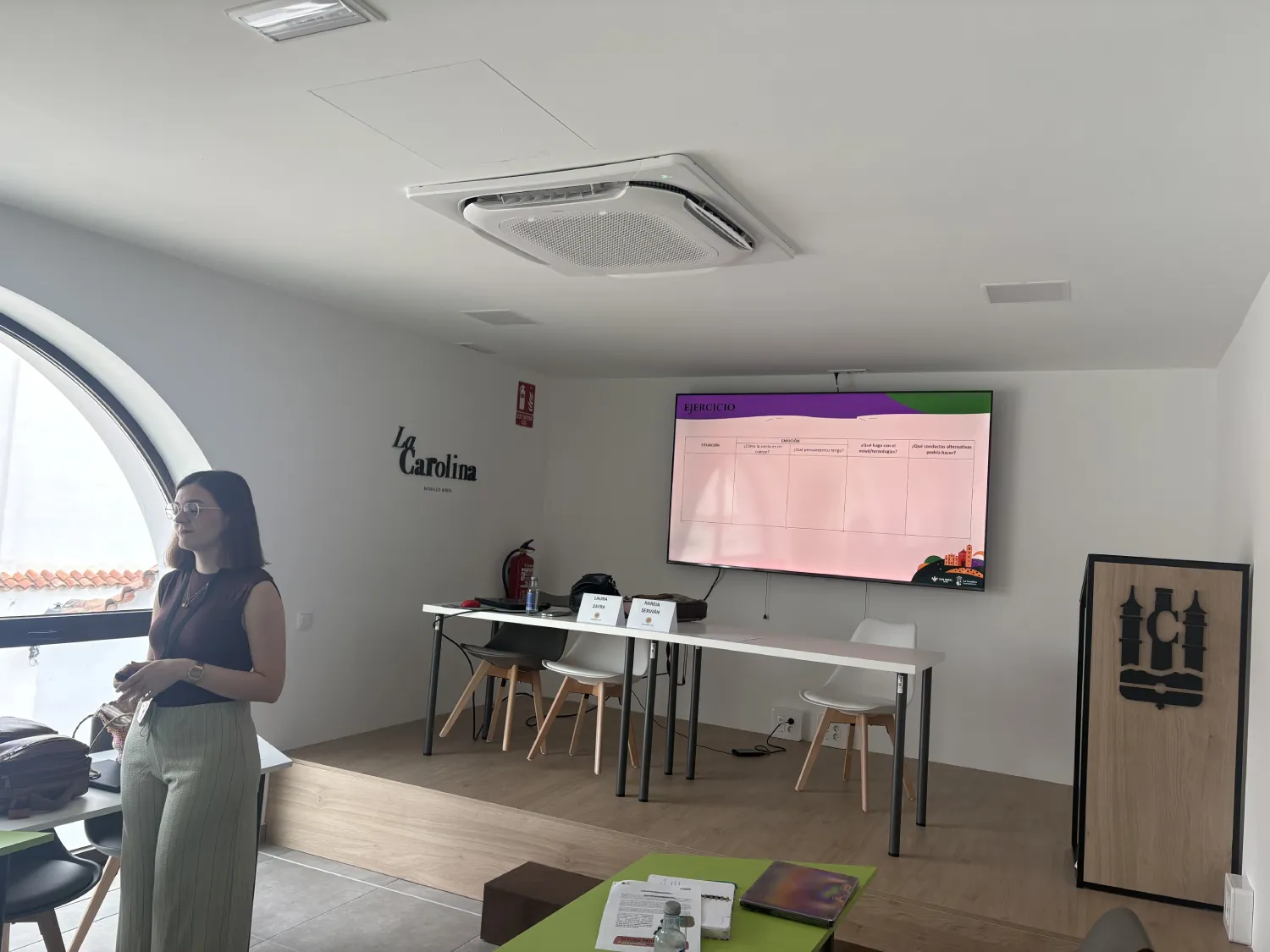
Subsequently, Laura Zafra Palomino and Mireia Servián López, from the University of Jaén, discussed emotional regulation strategies within the framework of PROCARE/PROCORE, aimed at encouraging mindful use of social media and preventing the overuse of screens and other technologies.
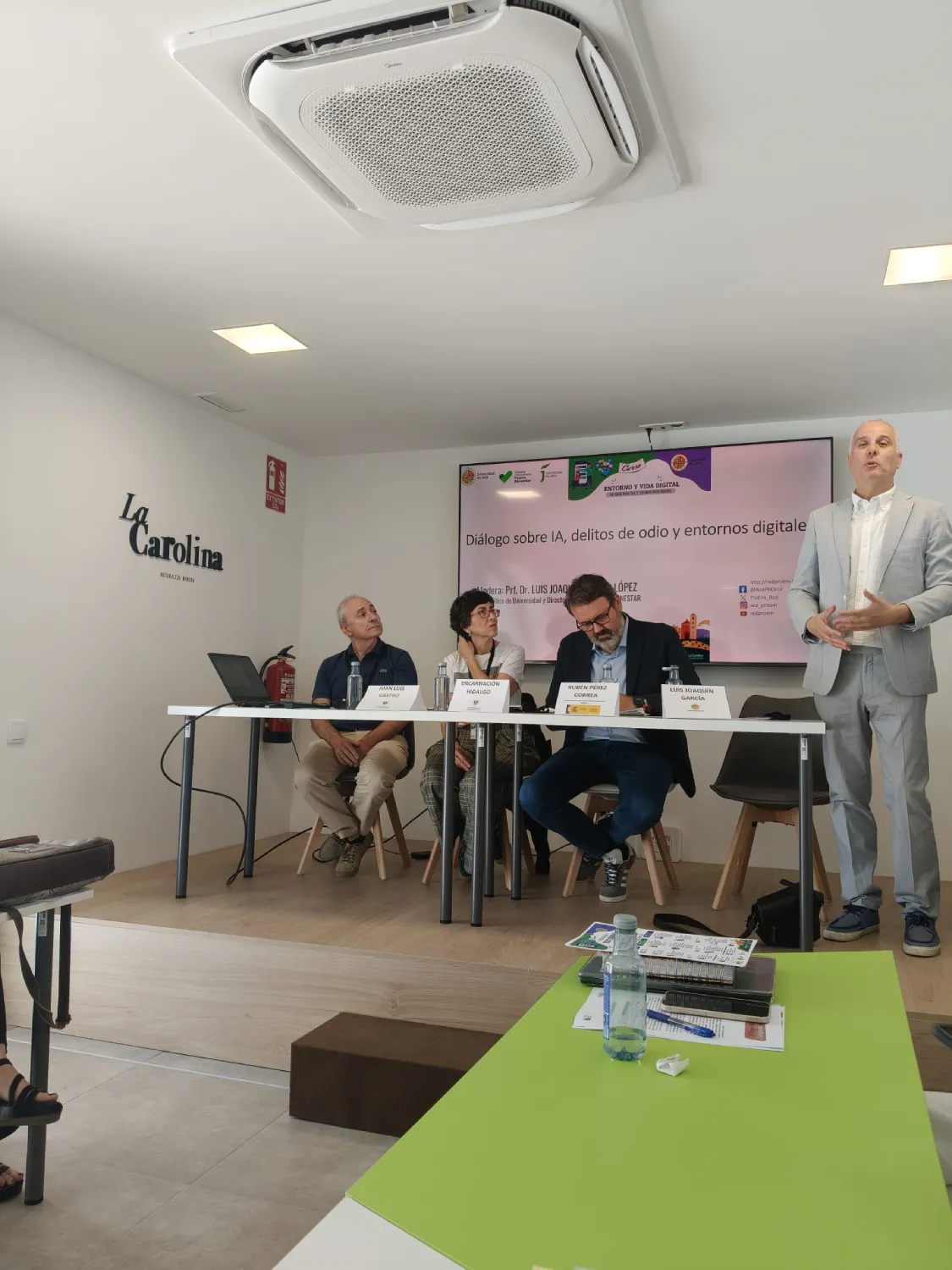
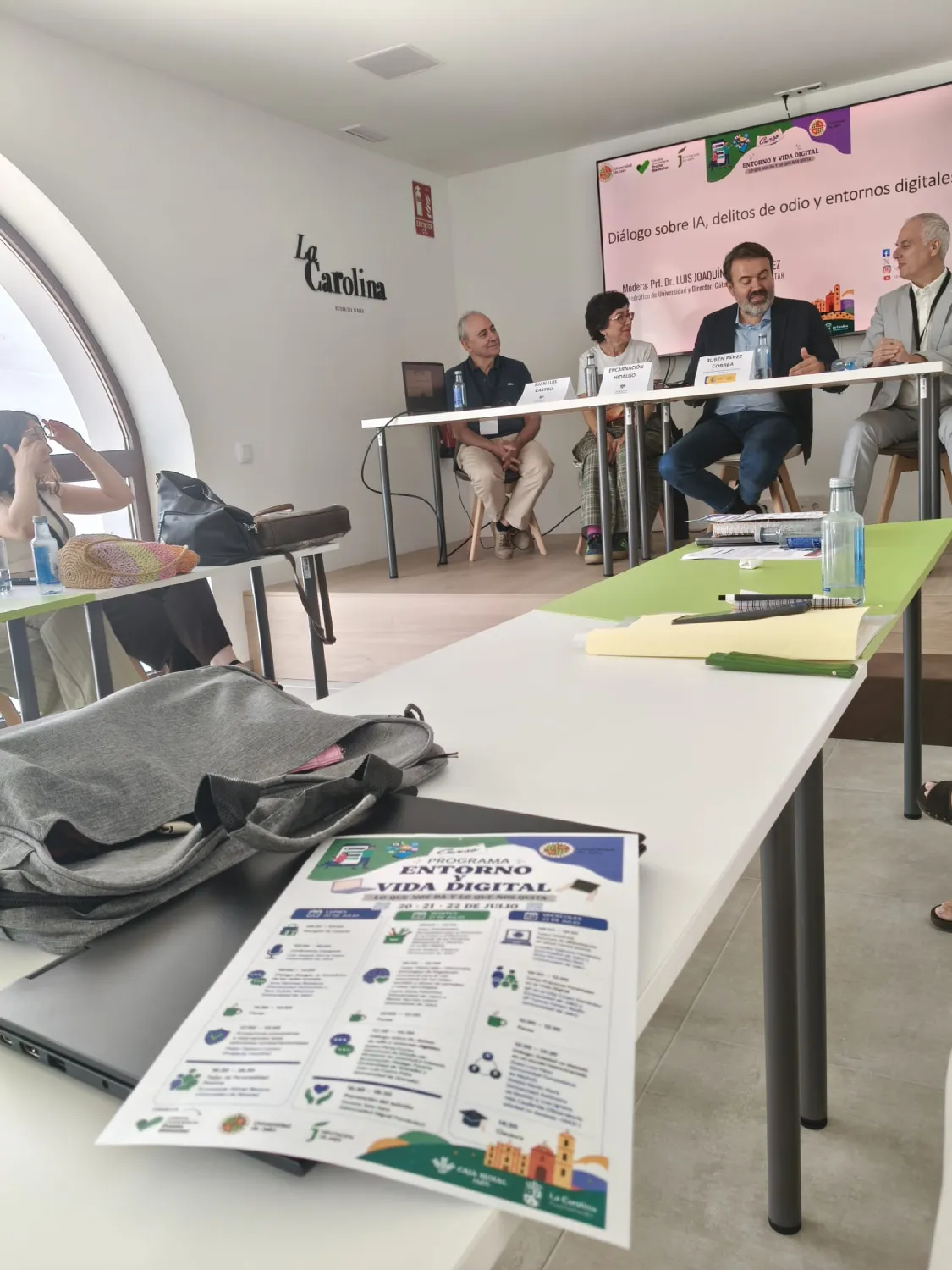
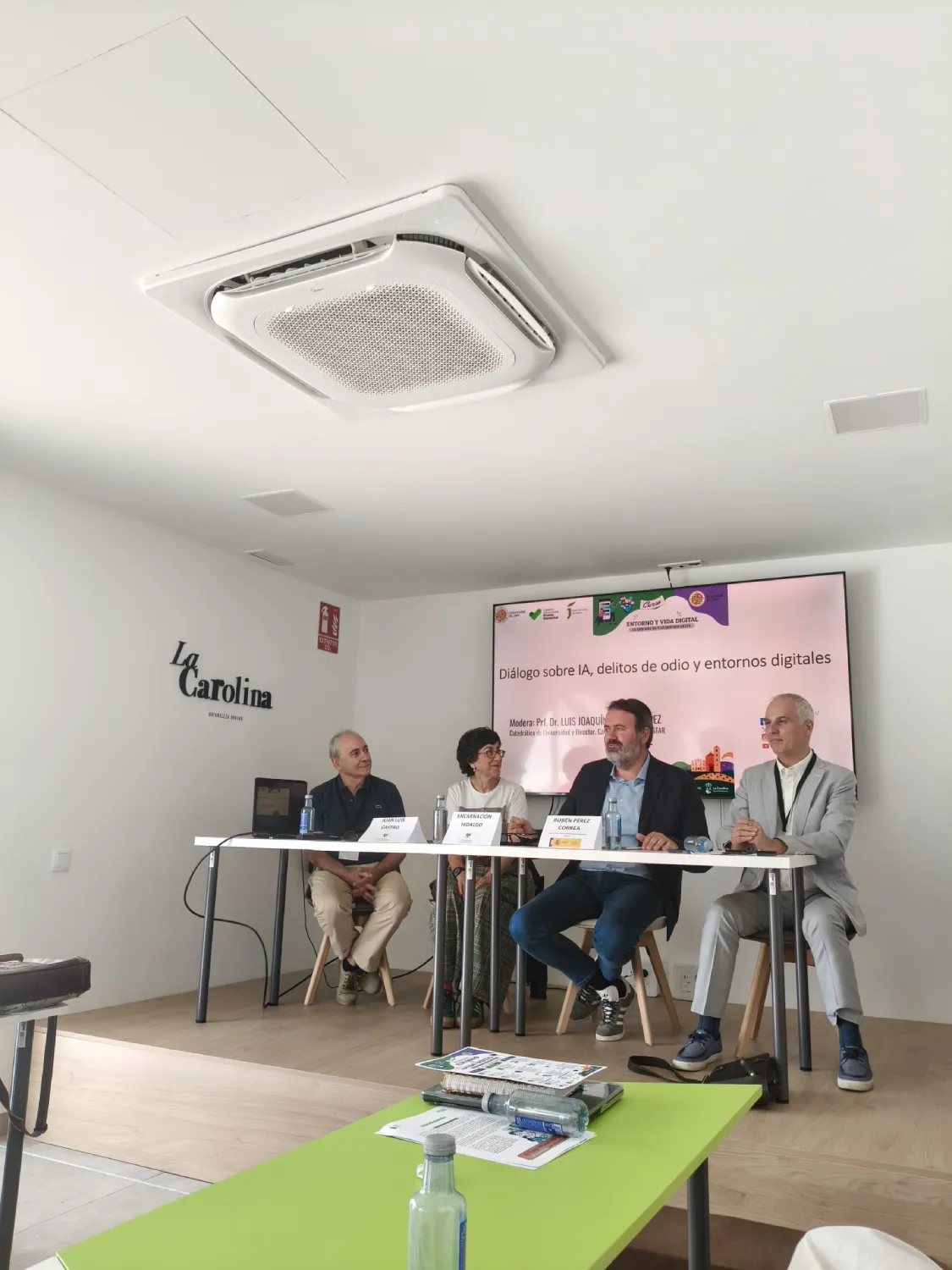
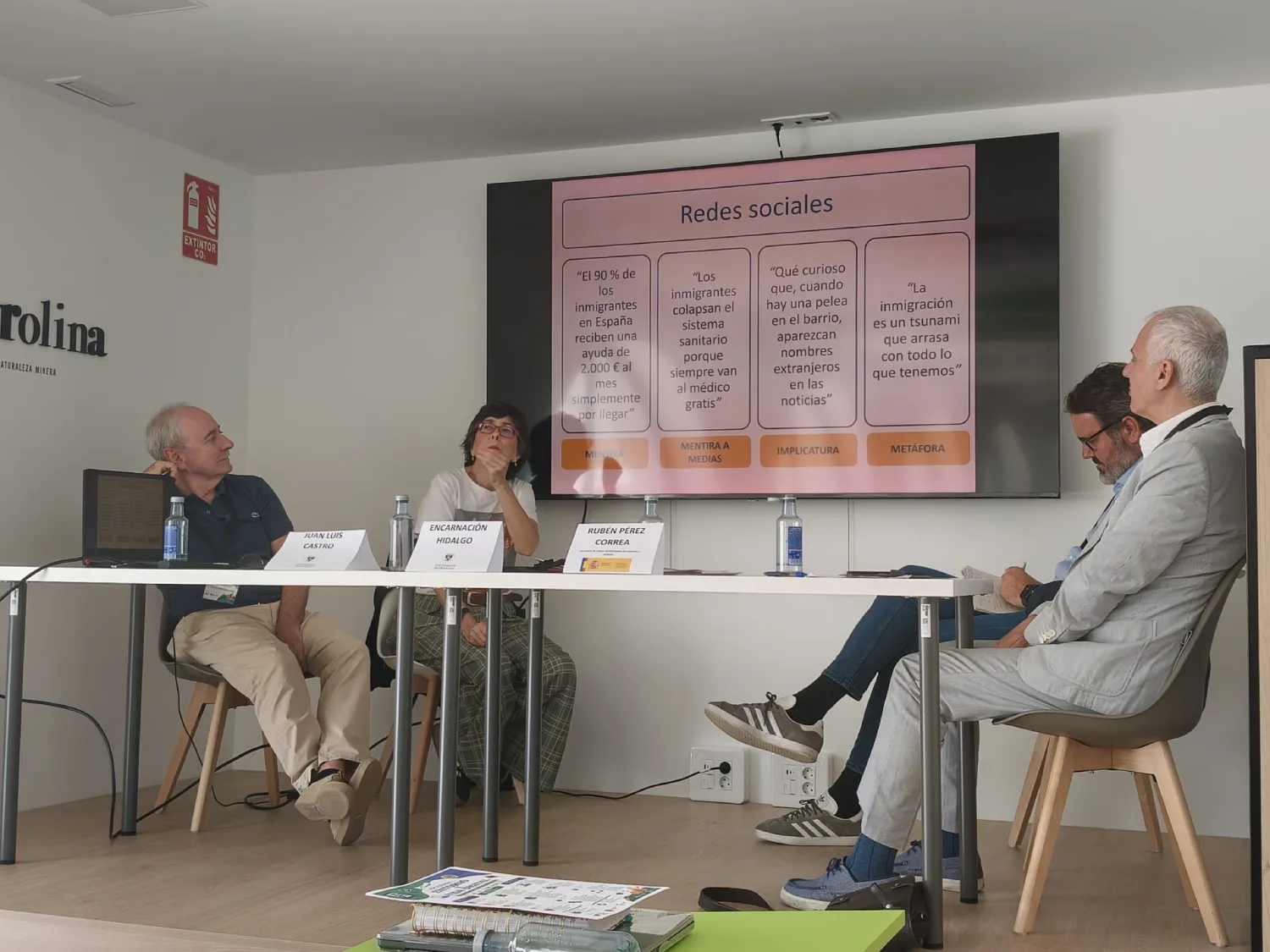
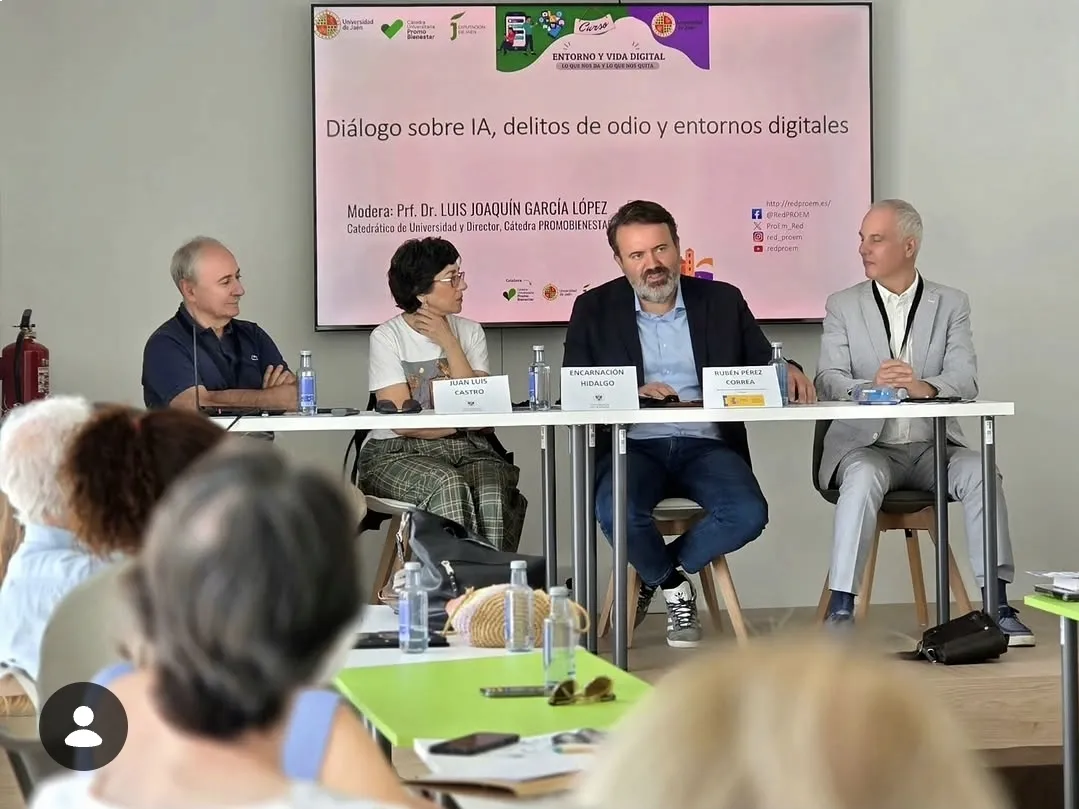
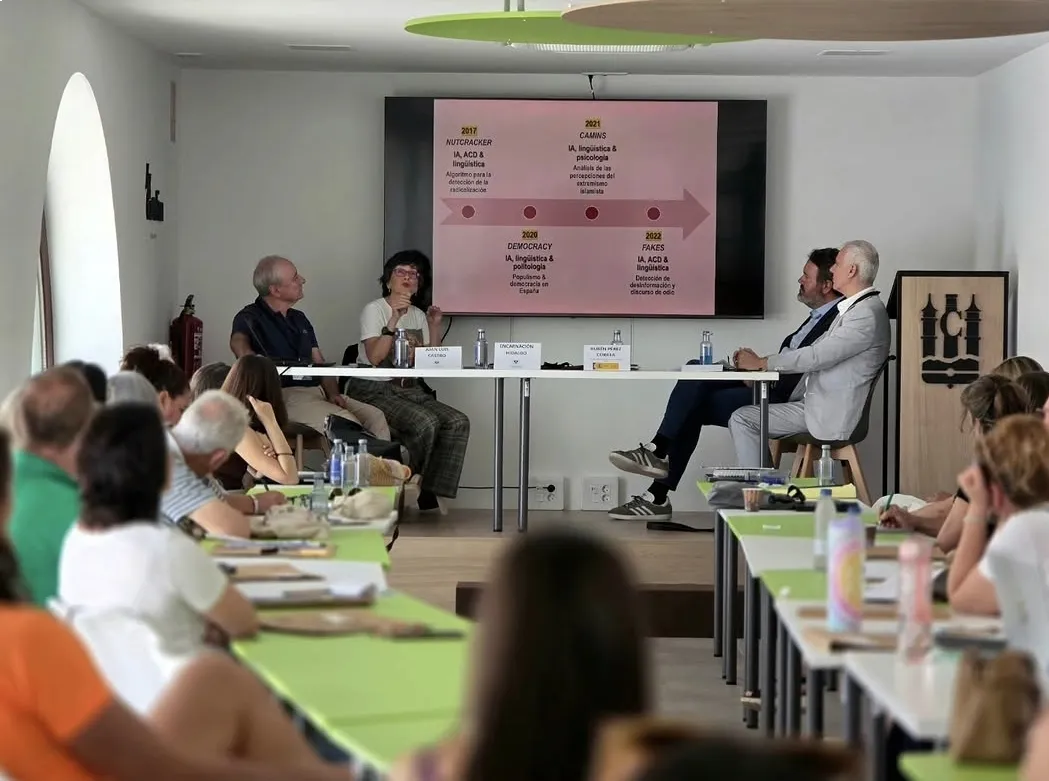
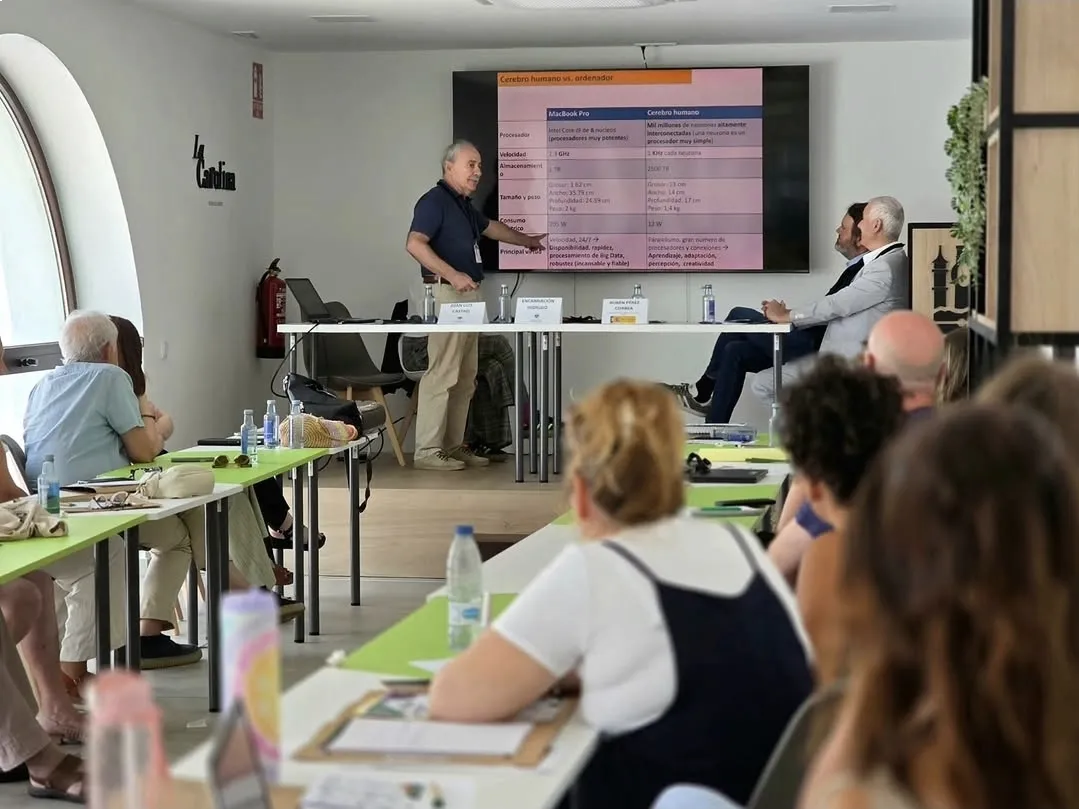
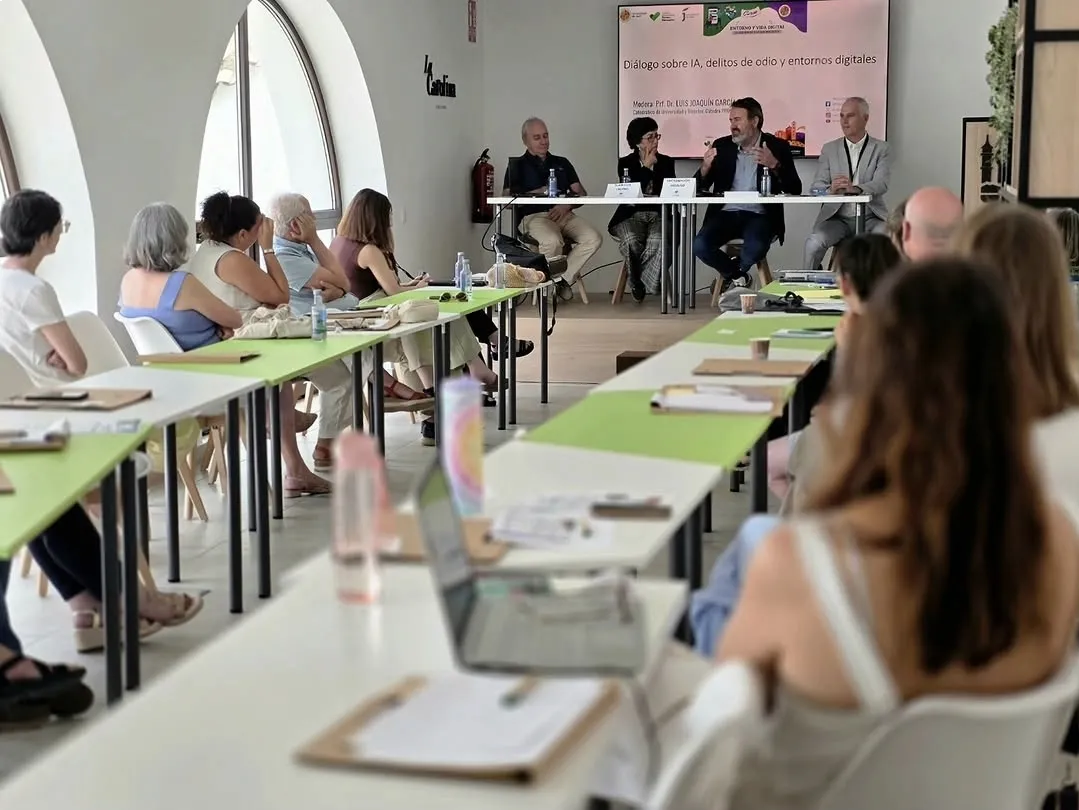
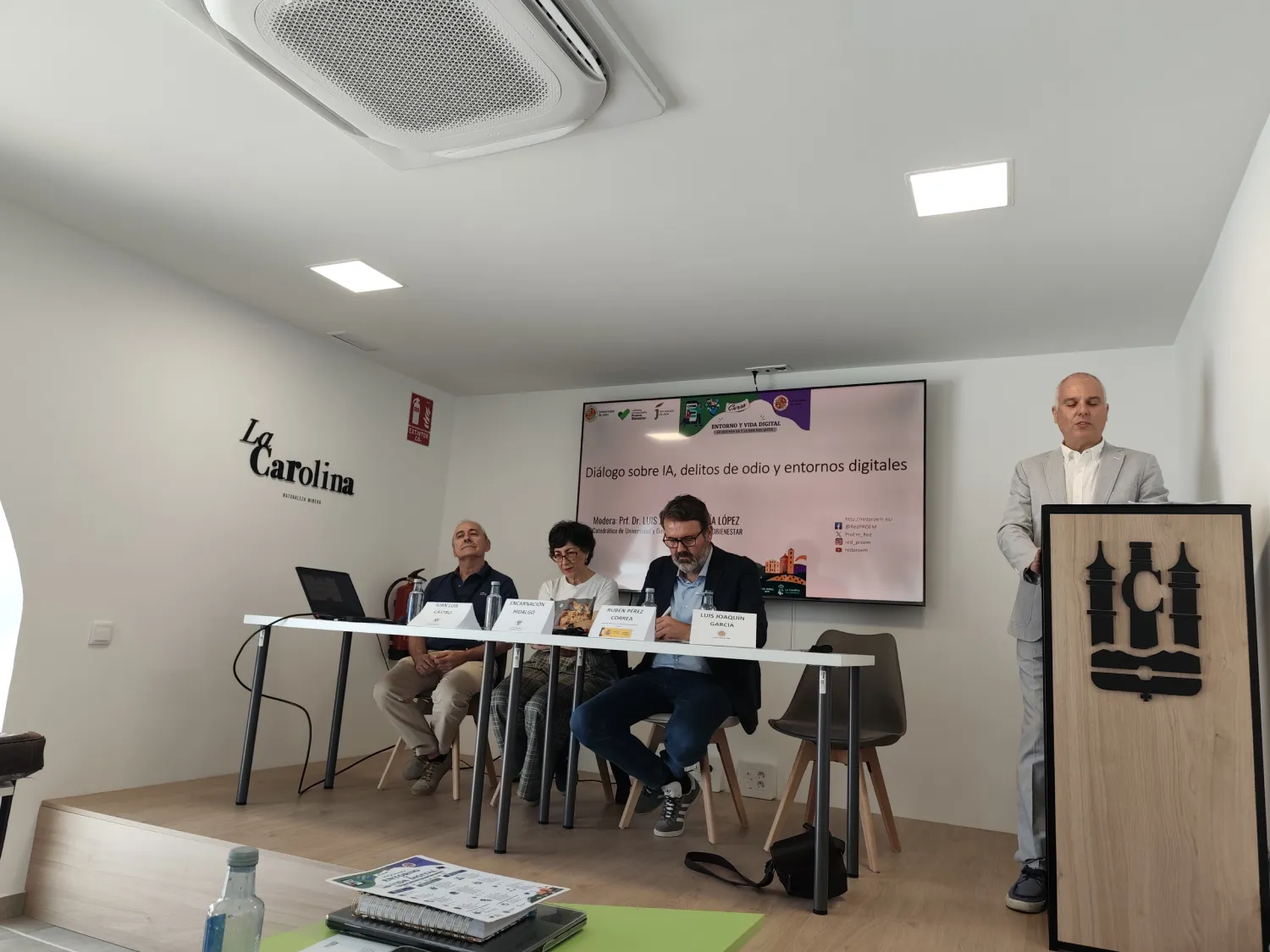
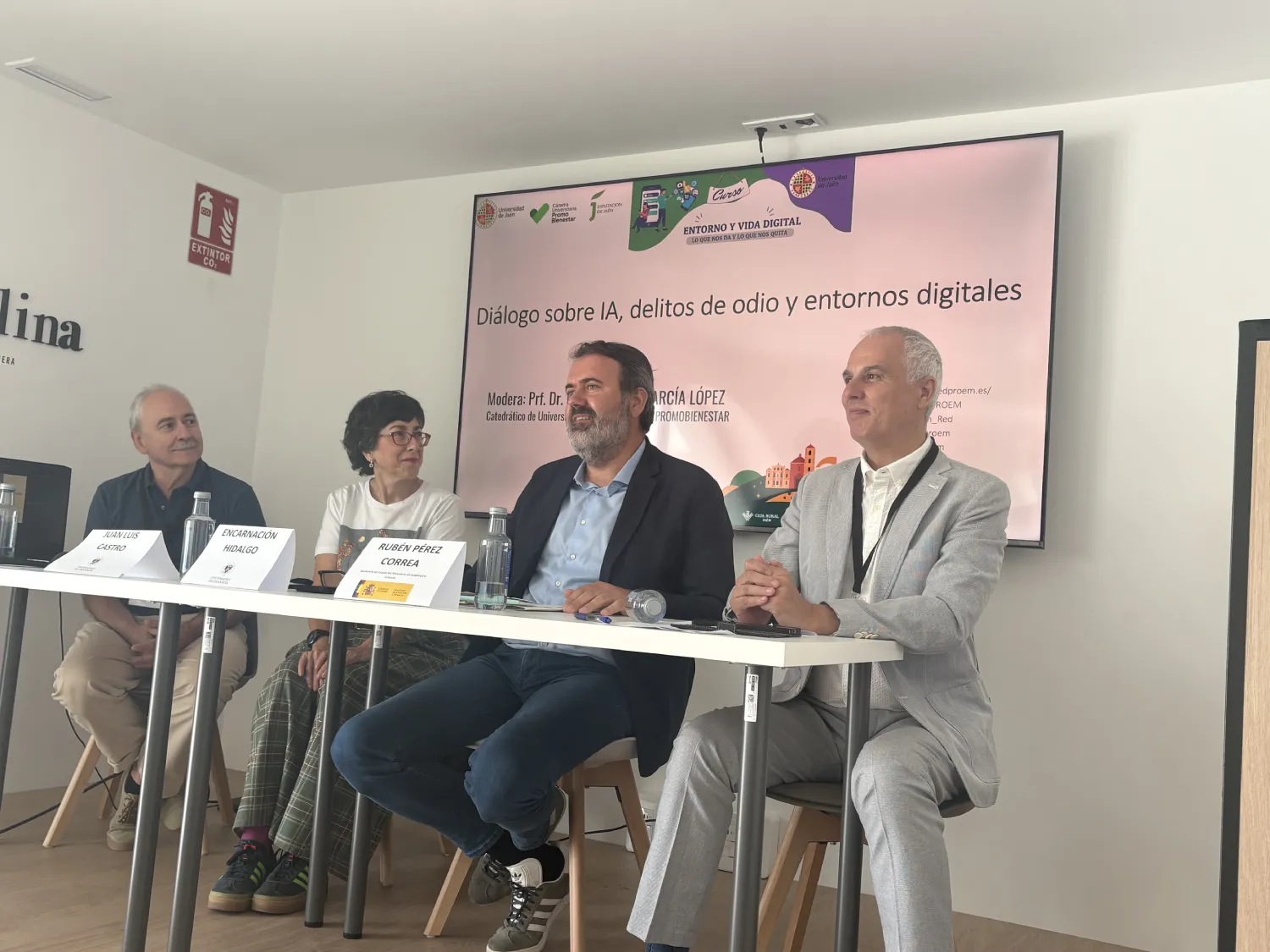
This was followed by a round-table discussion featuring experts, including Luis Joaquín García López, professor at the University of Jaén and director of the PROMOBIENESTAR Chair, who outlined to the audience the reality of the emotional problems affecting adolescents and young people. Encarnación Hidalgo Tenorio and Juan Luis Castro Peña, professors at the University of Granada, then addressed hate crimes and hate speech in the digital sphere, exploring their various manifestations and the consequences they may have for young people and their emotional wellbeing. Rubén Pérez Correa, from the State Secretariat of the Ministry of Youth and Children, also took part in the panel discussion, offering the perspective of public policy on promoting the health and emotional wellbeing of children and young people.
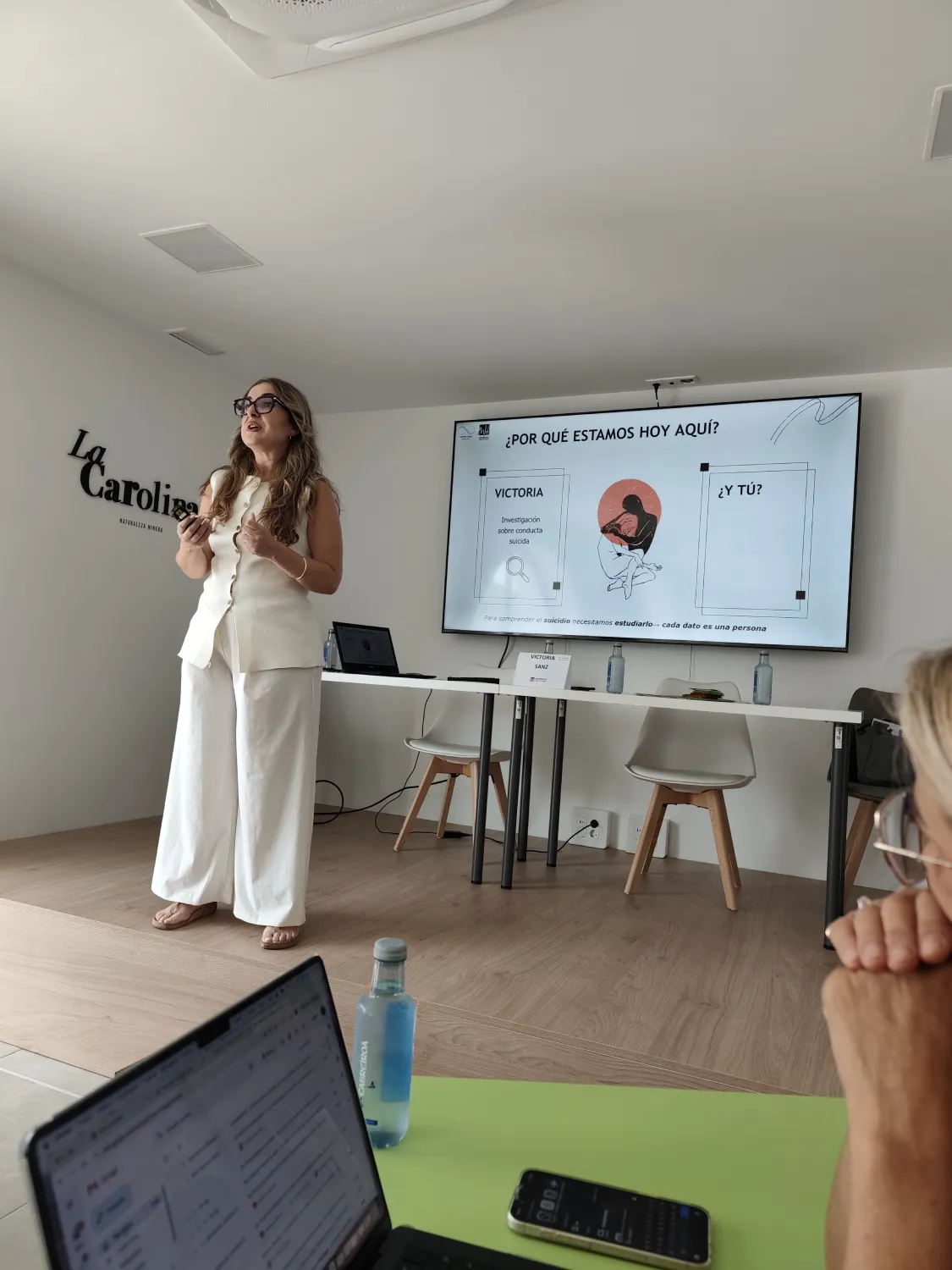
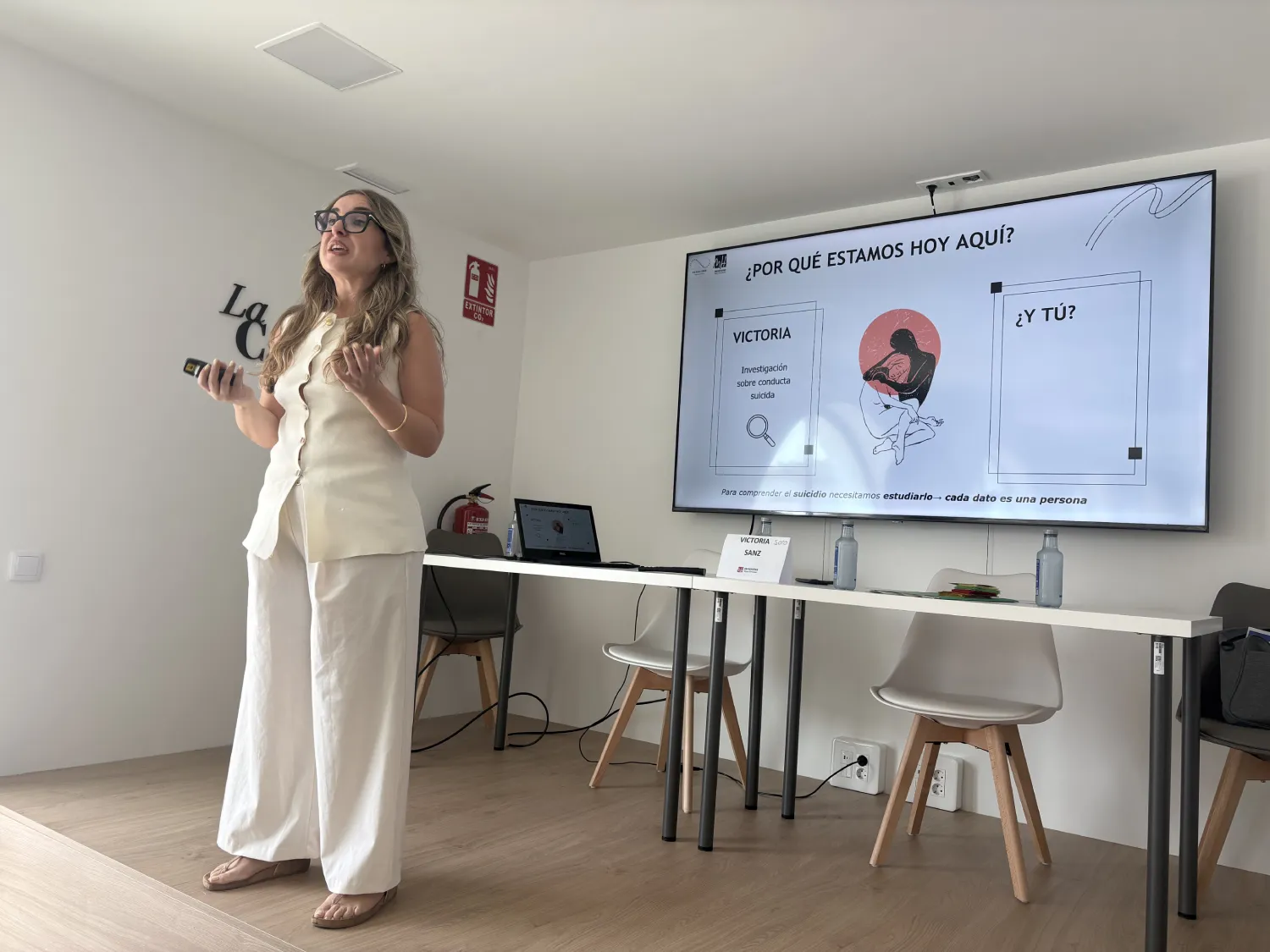
The afternoon session was devoted to suicide prevention and was led by Victoria Soto Sanz, a researcher and lecturer at Miguel Hernández University. Her presentation provided an in-depth look at the identification of risk and protective factors, as well as the importance of developing evidence-based prevention strategies.
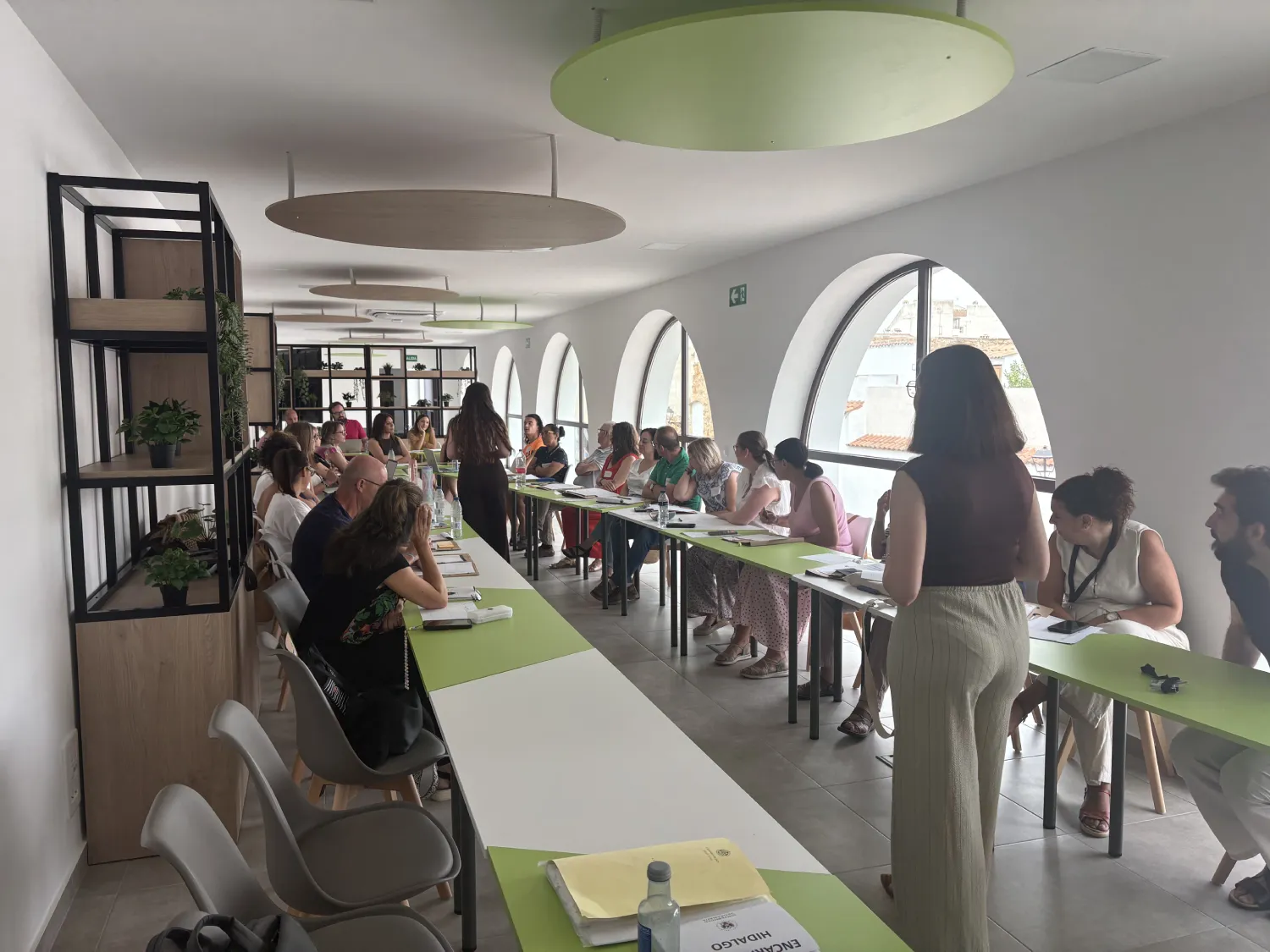
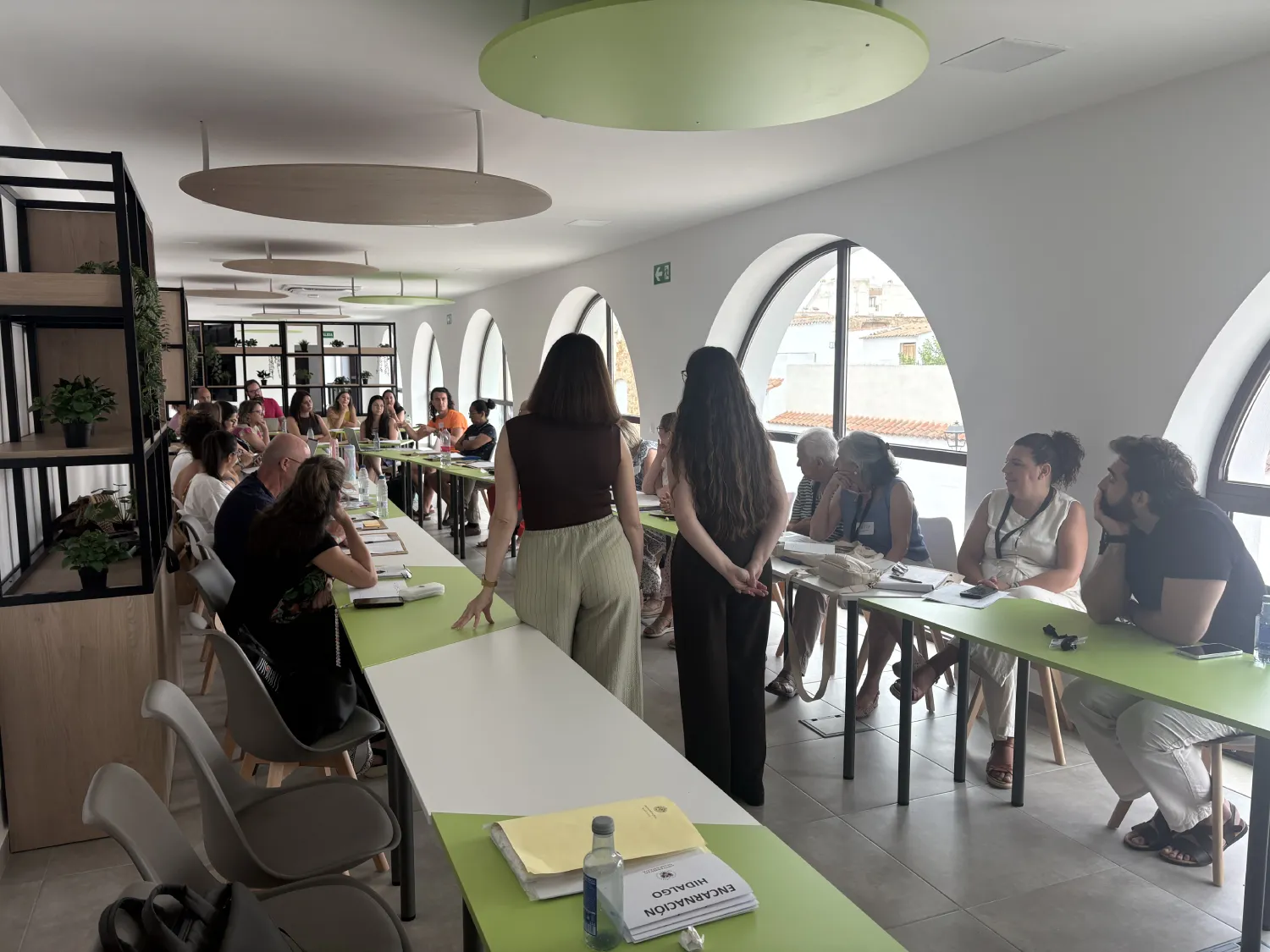
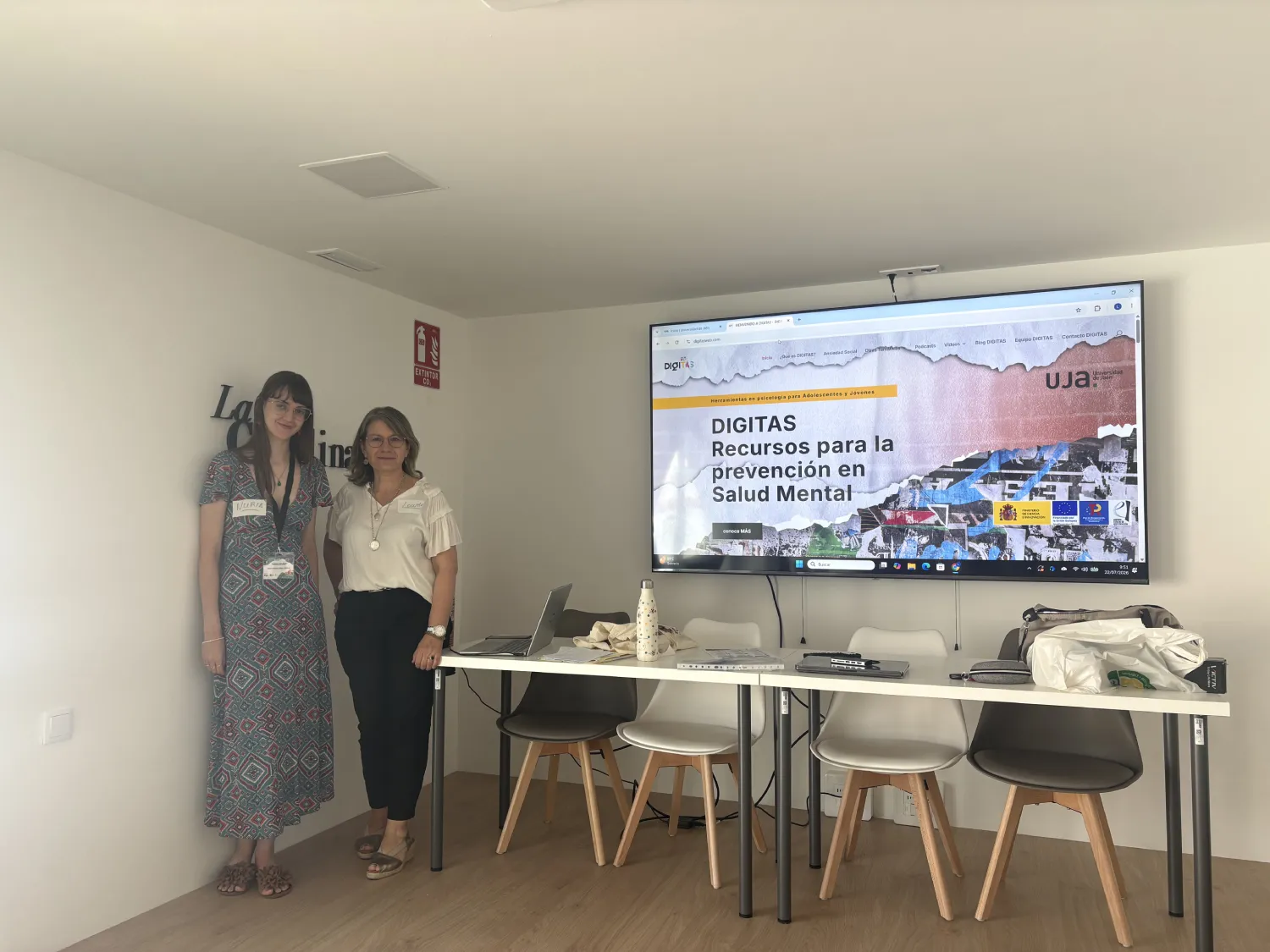
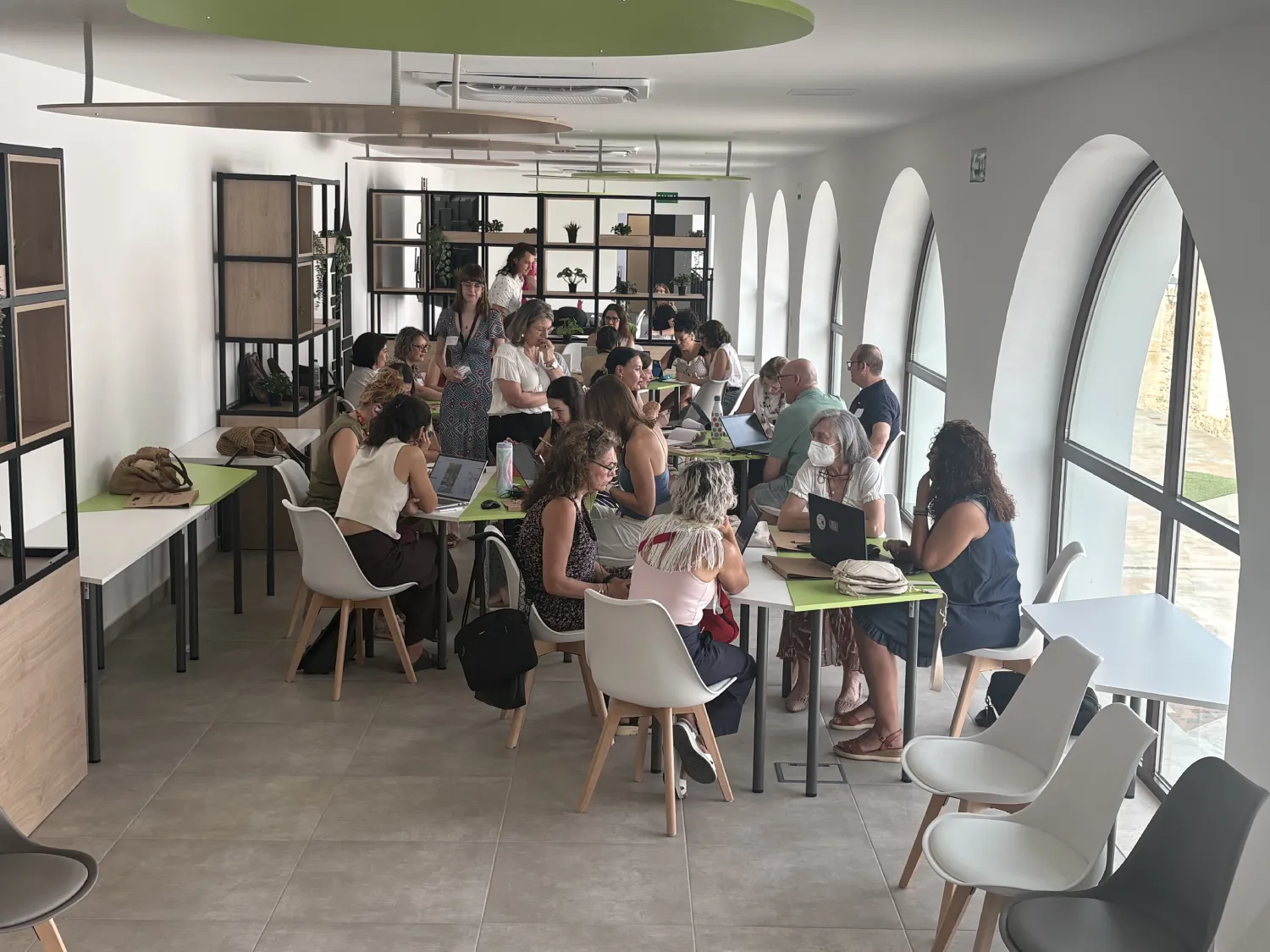
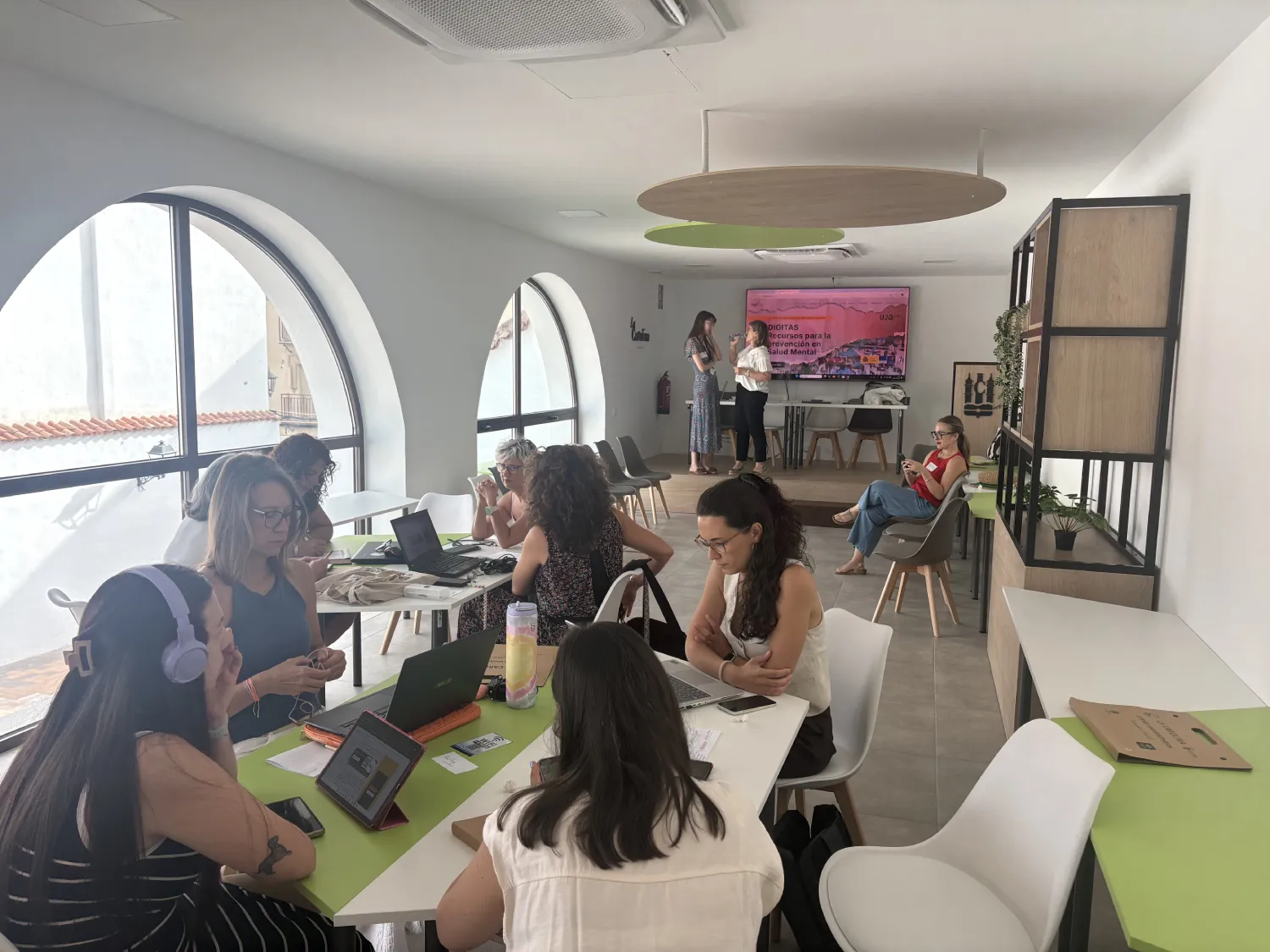
The third day began with a workshop focusing on the youth mental health literacy resources developed as part of the DIGITAS project. The workshop was led by Lourdes Espinosa Fernández and Nuria Fernández Díaz, from the University of Jaén.
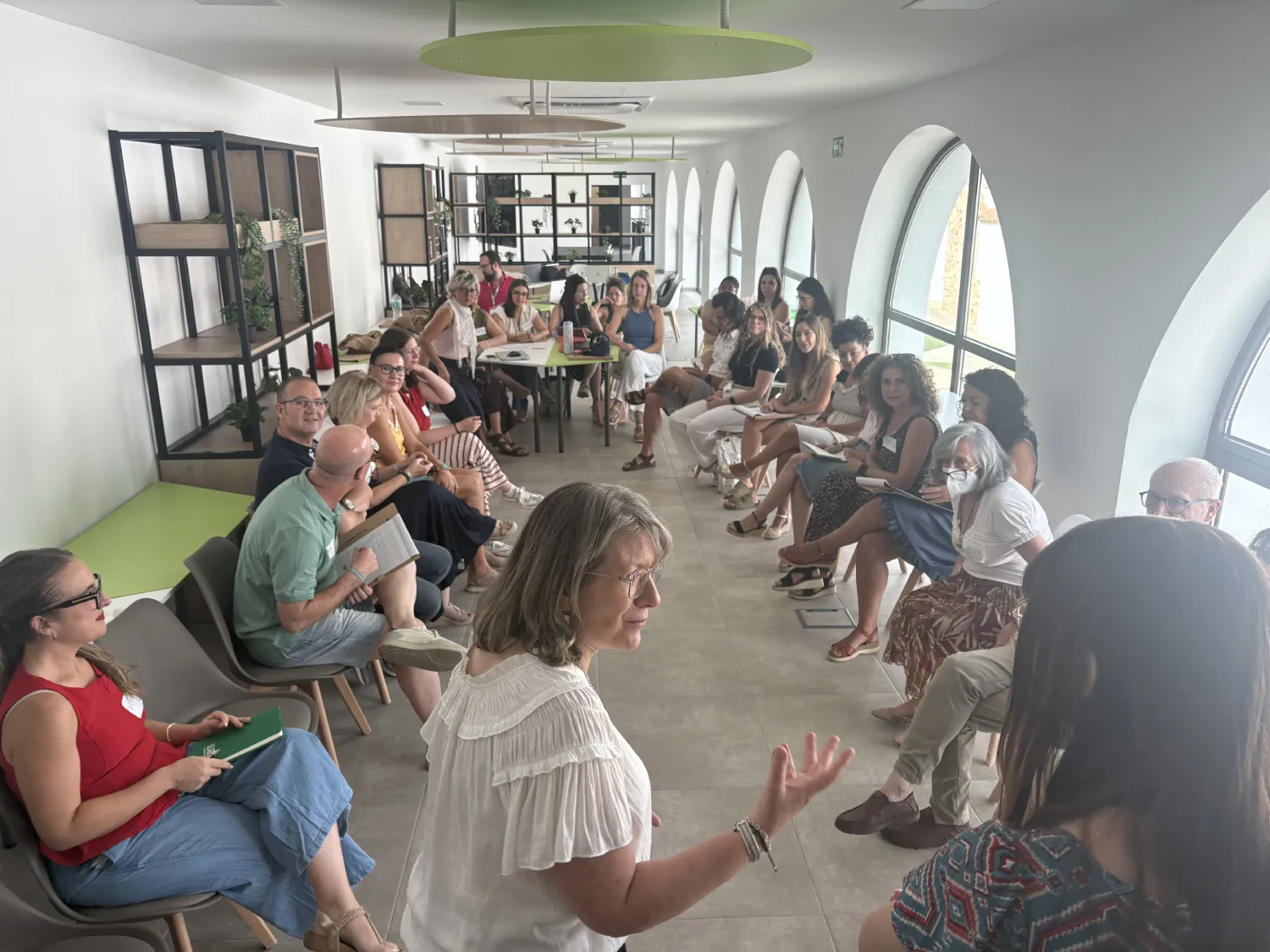
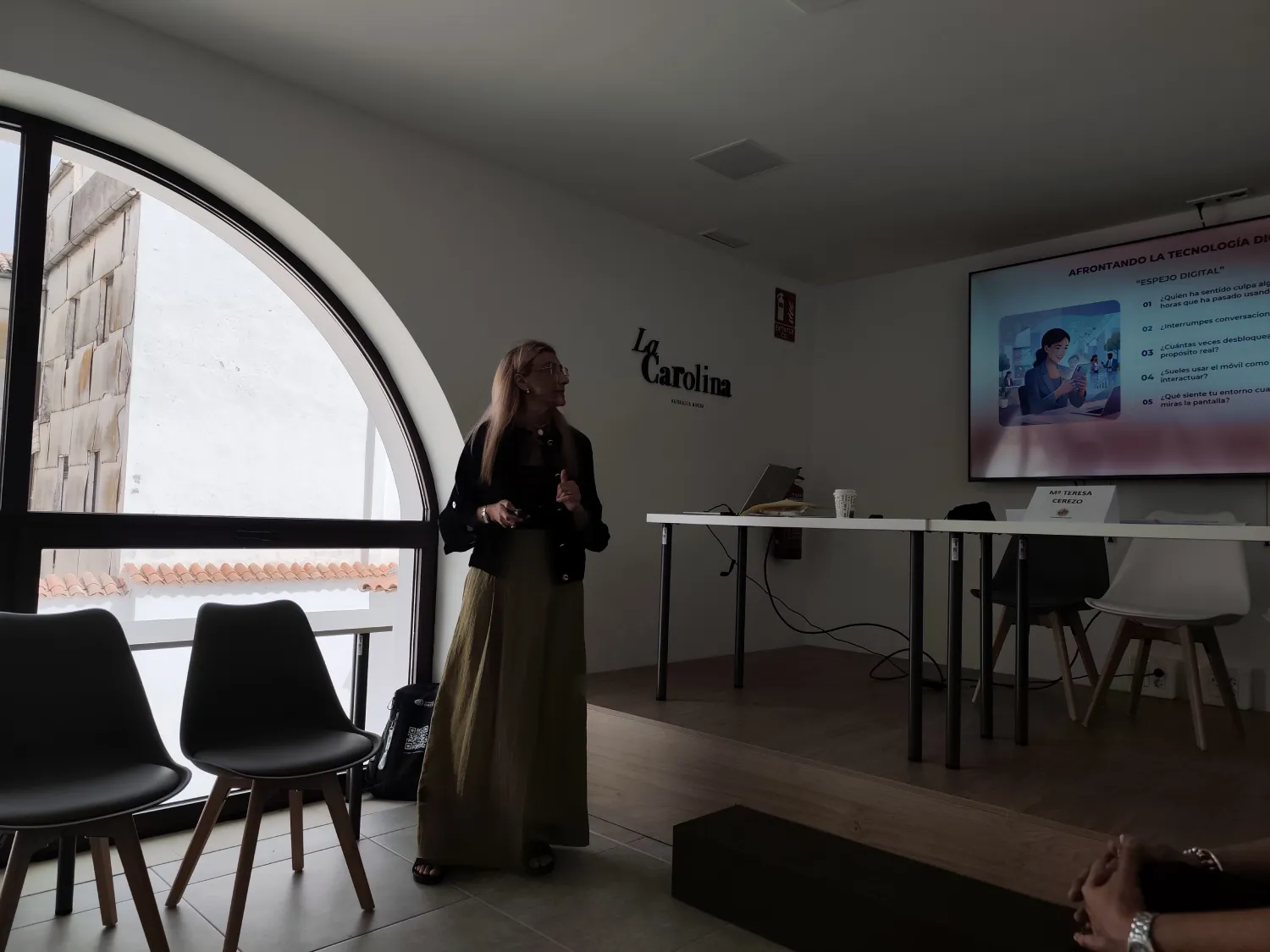
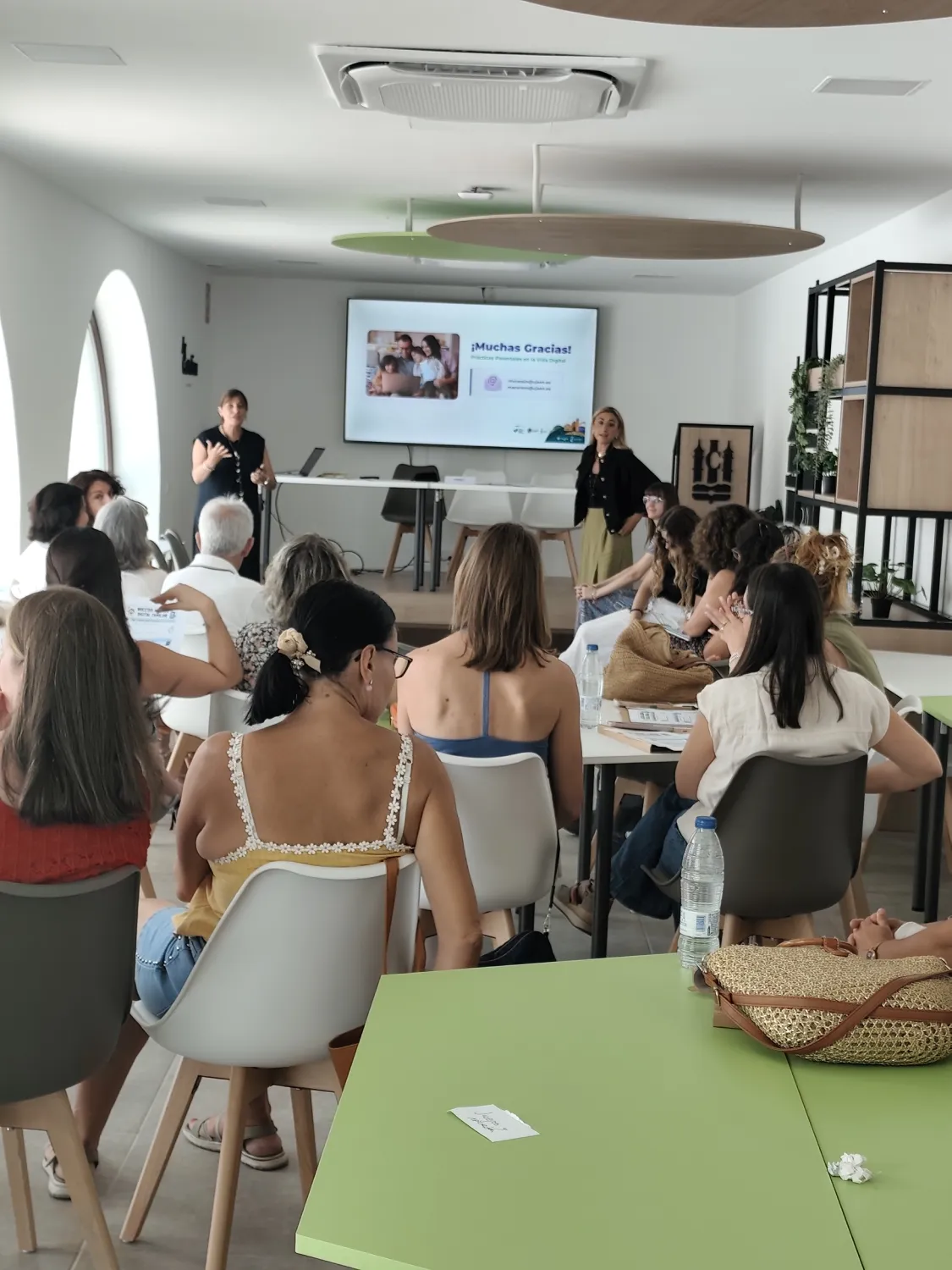
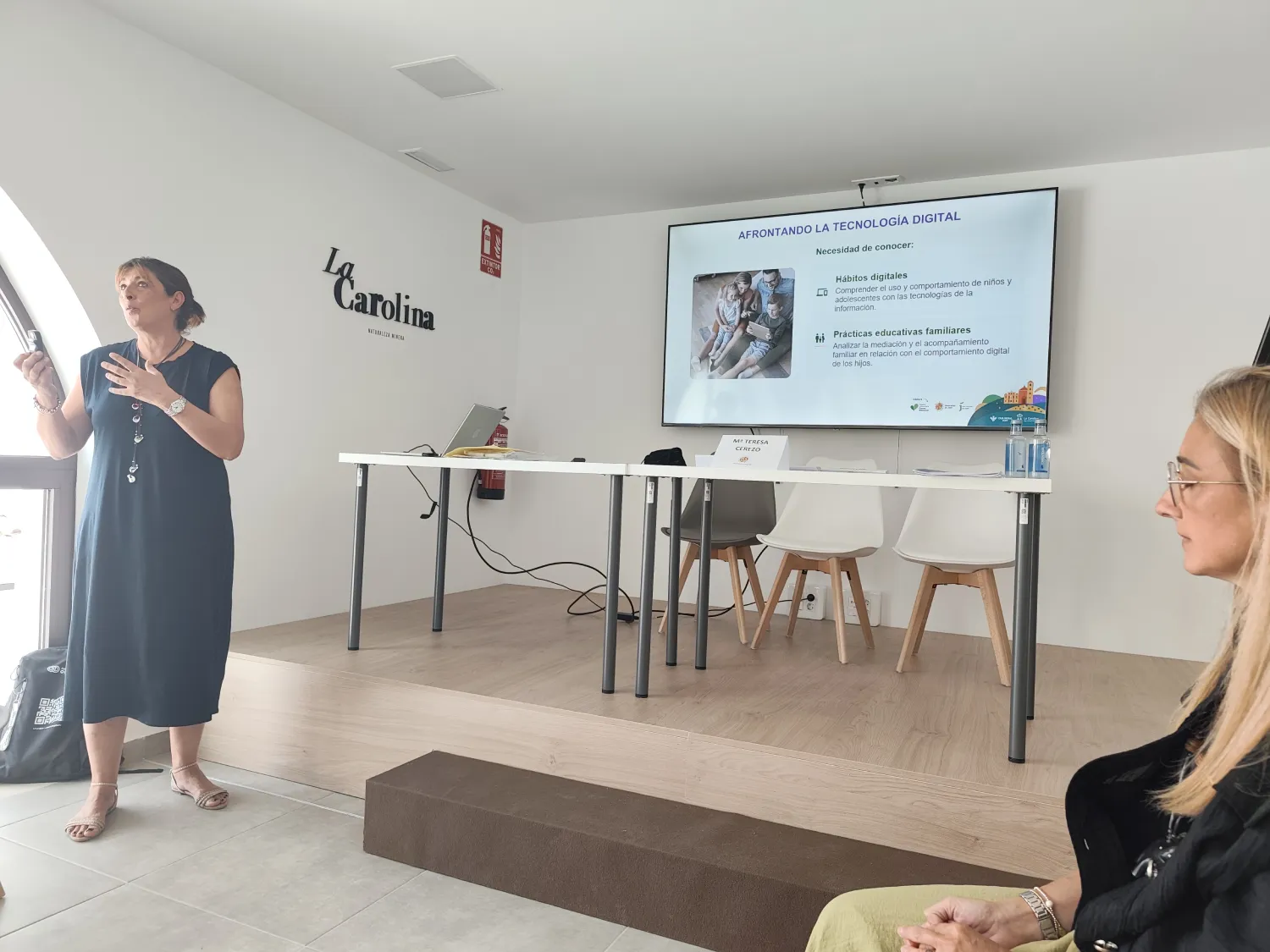
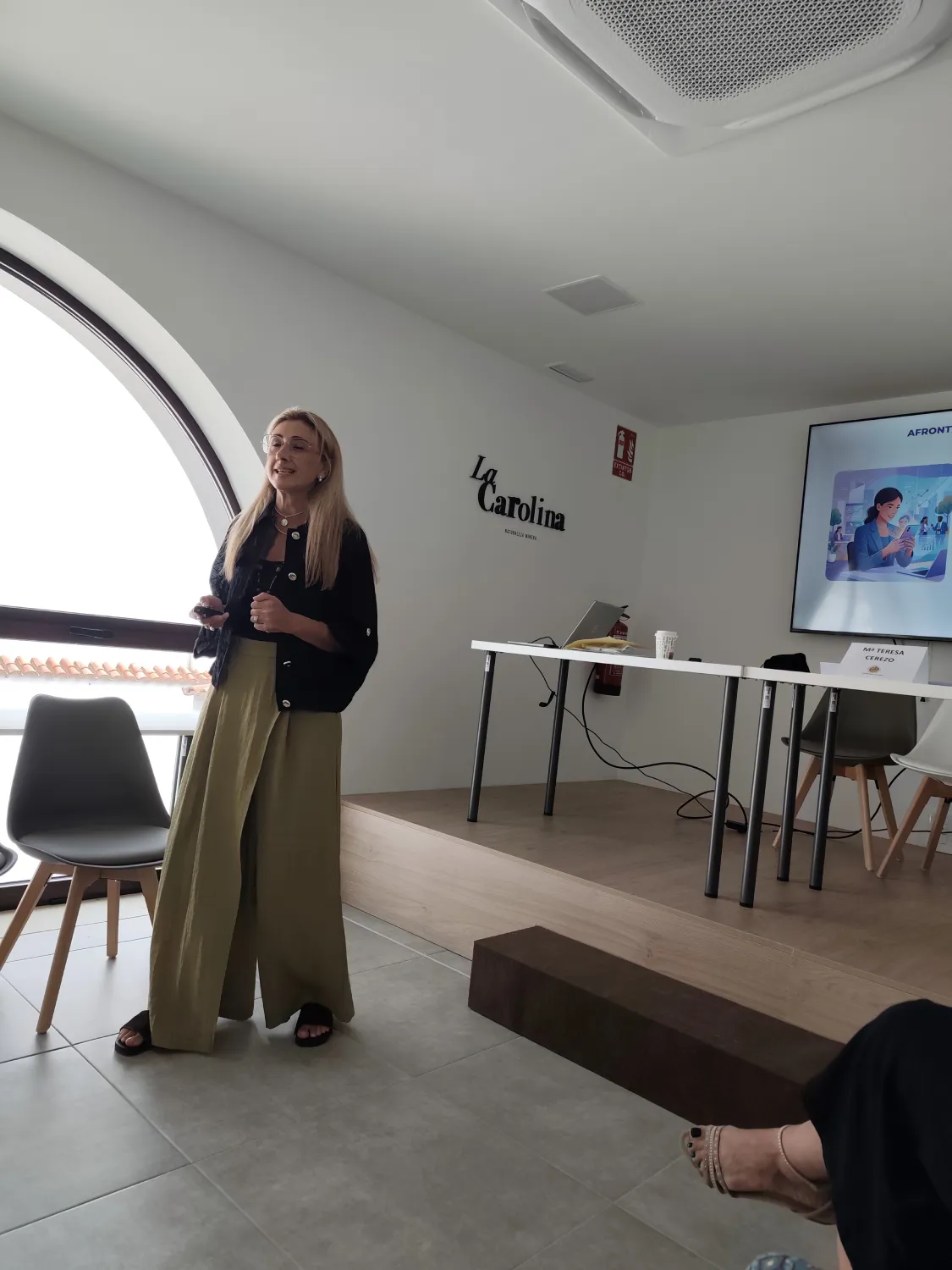
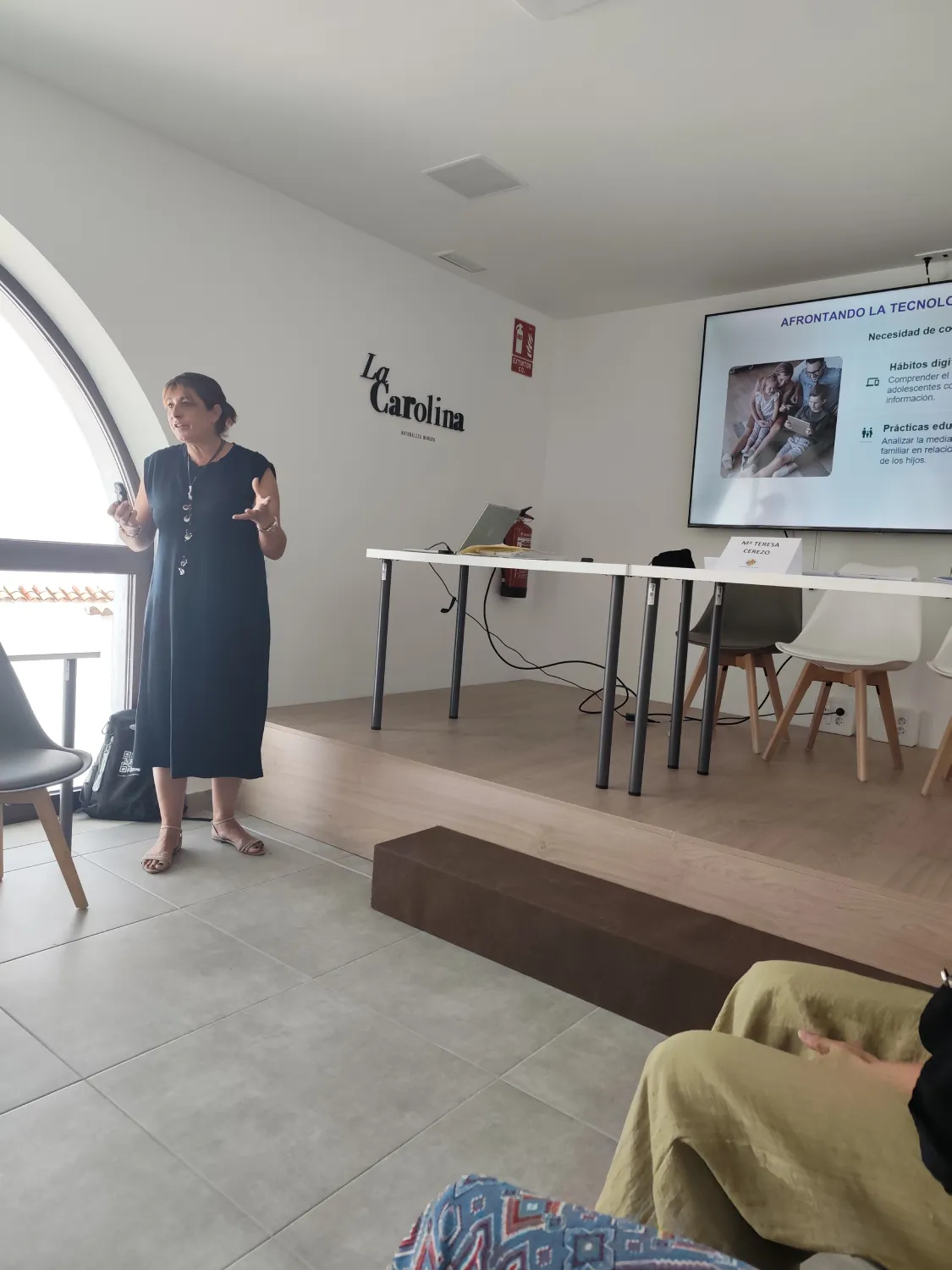
This was followed by a workshop on positive parenting practices in the digital world, led by María Villa Carpio Fernández and María Teresa Cerezo Rusillo, from the University of Jaén. The session addressed the role of families in supporting teenagers and young people in their everyday use of devices, social media and other technological resources.
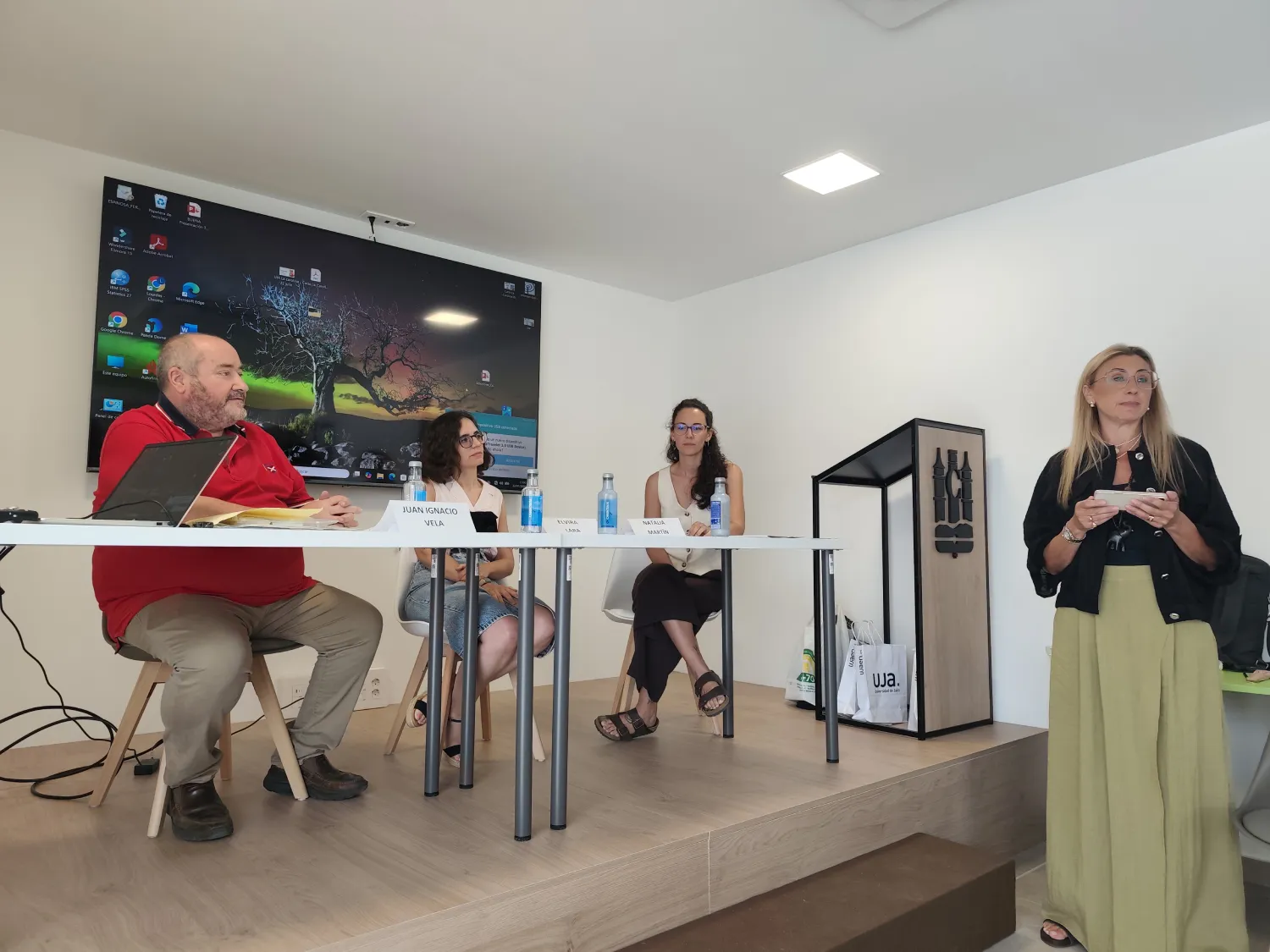
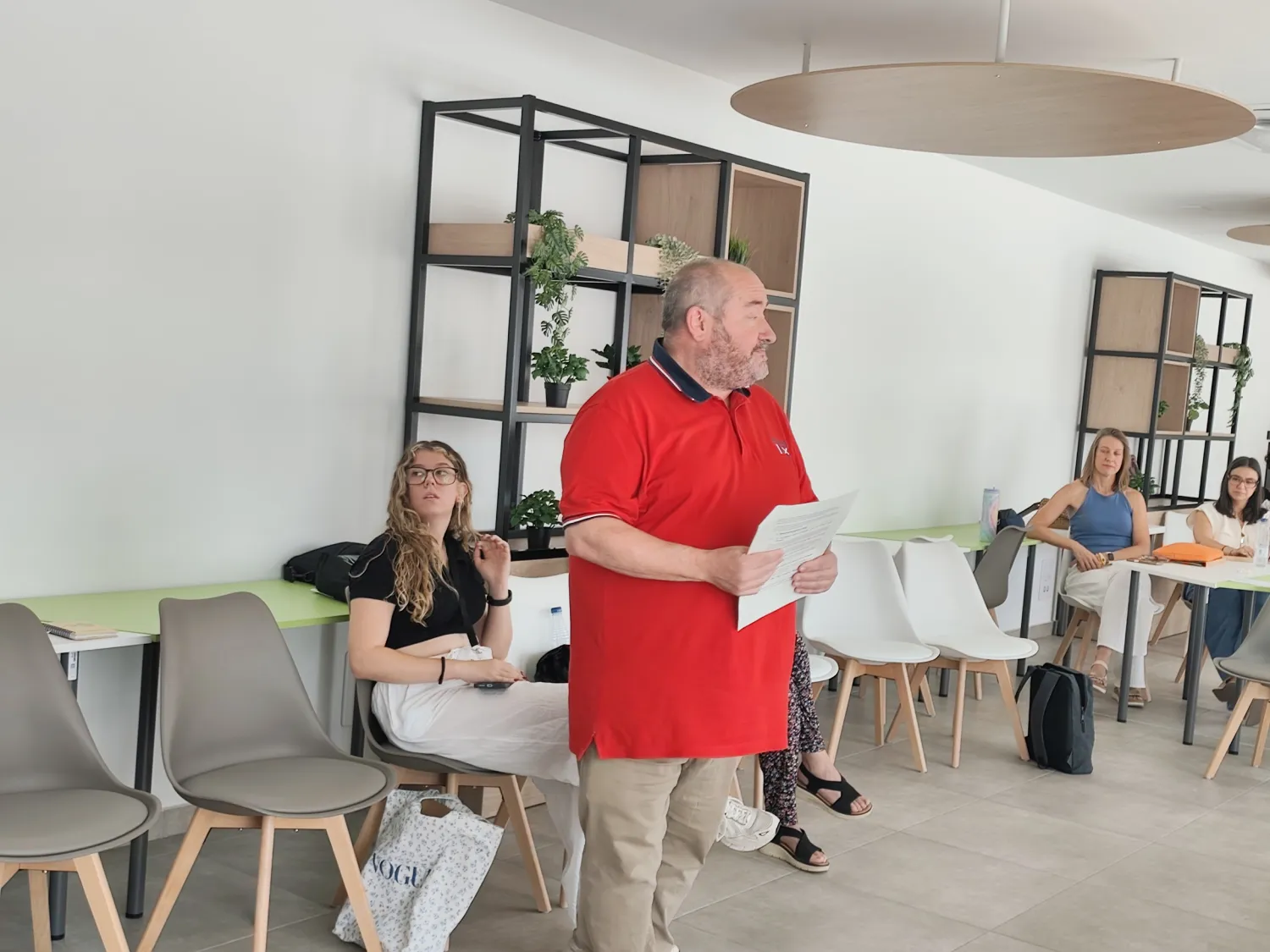
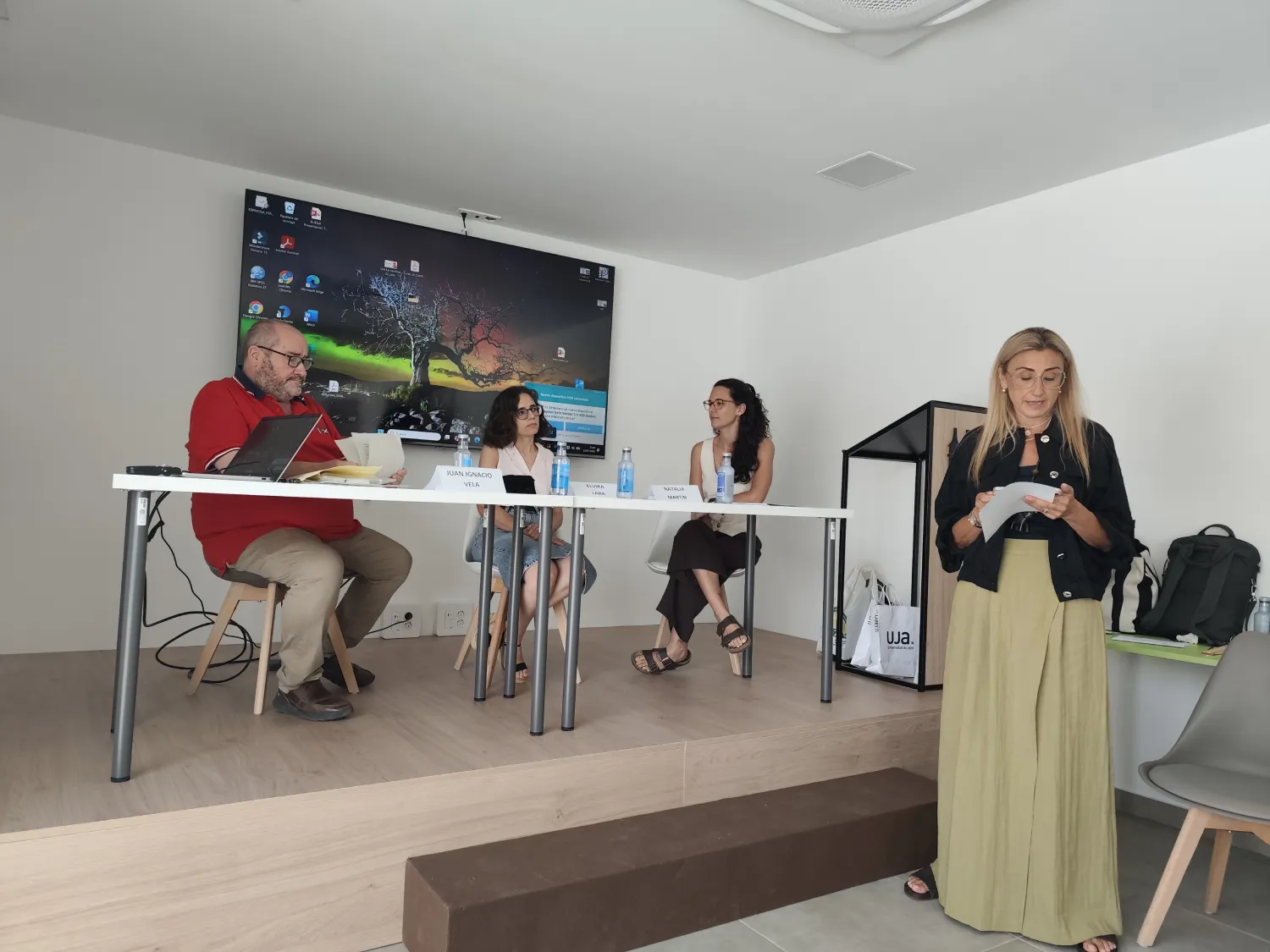
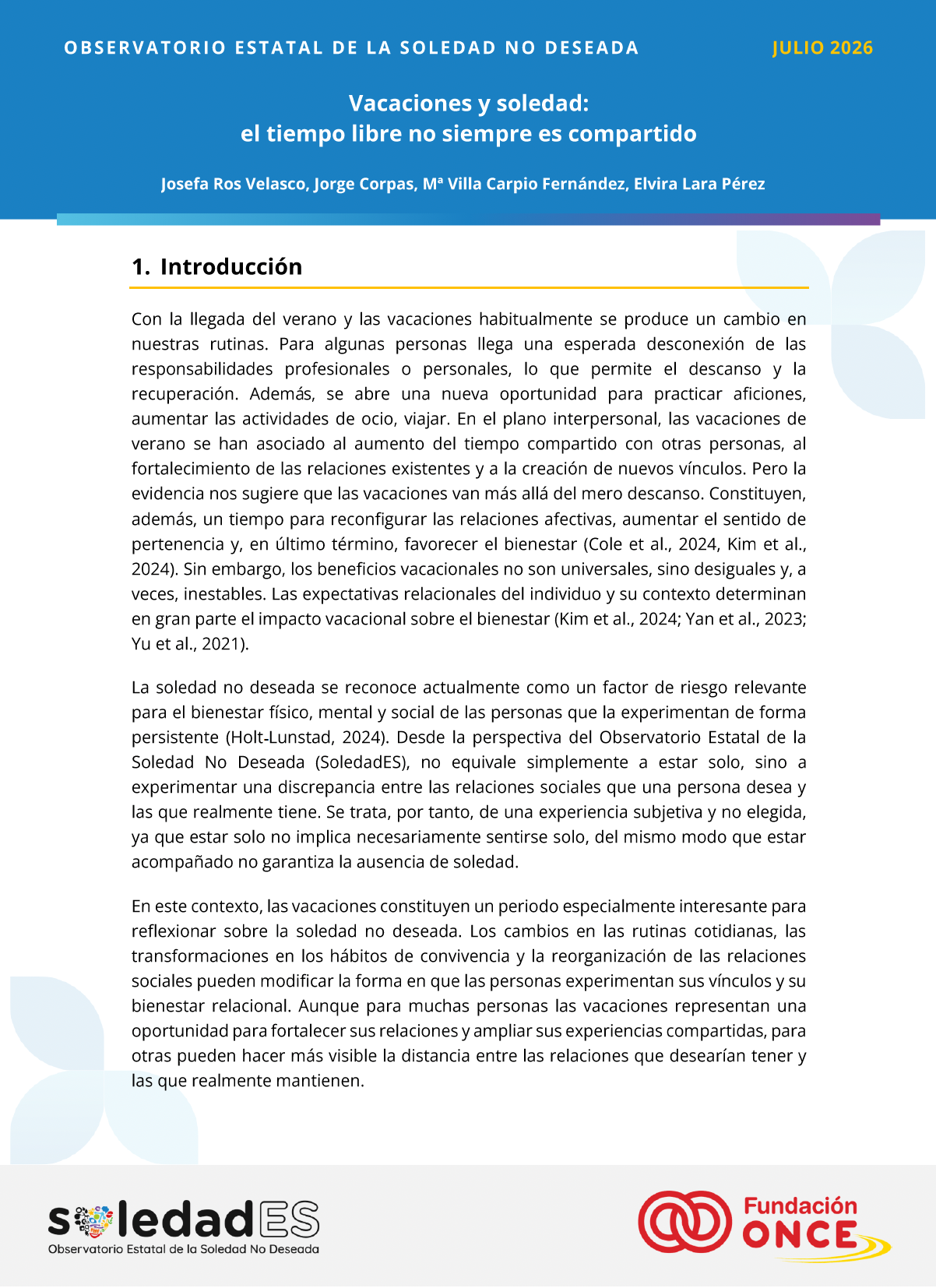
The course concluded with a discussion entitled ‘Unwanted loneliness in a hyper-connected world’, featuring Elvira Lara Pérez from the Complutense University of Madrid; Natalia Martín María from the Autonomous University of Madrid; and Juan Ignacio Vela Caudevilla from the ONCE Observatory on Unwanted Loneliness.
Over the course of the three days, participants were able to explore issues such as emotional regulation, behavioural addictions, positive parenting, mental health literacy, artificial intelligence, hate crimes and unwanted loneliness.
The summer course provided an opportunity for young people, families, education and health professionals, researchers and public officials to share knowledge, experiences and practical tools. The initiative highlighted the need to promote the mindful use of technology and to support teenagers and young people in building a healthier relationship with digital environments.